
AI summary
Summary of article:
Not only will the midterm elections affect the congressional map, but state-level referendums and tax reform may also reshape the municipal bond market in the short term, changing demand, prices and local government fiscal pressures for tax-exempt bonds.
The election results on 3rd are expected to have a wide impact on the market including local markets.bond (Municipal Bond). In addition to the fight for control of Congress, referendums in various states could change tax laws and increase the supply of bonds; Red states and blue states will have different tax policies, which will affect municipal bond investors.
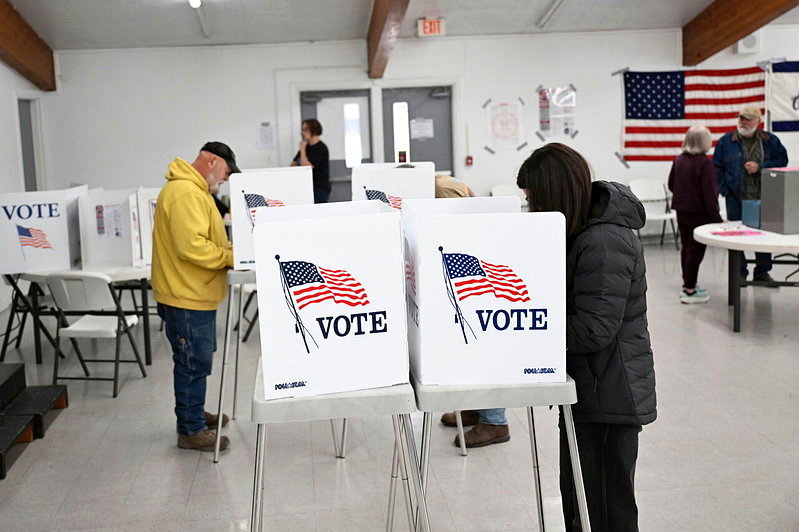
CNBC reported that the focus of this election campaign has been on the fight for control of Congress.democratic party Whether it’s possible for Republicans to wrest back the House, Senate, or both chambers, changes at the state level could have a big impact on local bond markets, at least in the short term. There are several referendums on ballots across the country that could change tax laws and increase the supply of bonds.
Tax liability is important for local bond investors because local bond interest income is exempt from federal taxes. If the holder lives in the state where the bond is issued, they are also exempt from state taxes, and depending on the location, will be voted on certain referendums, including providing tax cuts or increasing taxes on the wealthy.
“There’s a complete divide between red states and blue states,” said Dan Close, director of Nuveen’s local bond department. “Blue states are trying to set up a graduated income tax structure to get more tax revenue from higher income groups. Red states are trying to cut property taxes to reduce the burden on people.” Red states refer to areas that predominantly vote Republican, while blue states lean Democratic.
For example, in California, a proposal known as a “rich tax” would impose a lump-sum tax equal to 5% of their wealth on taxpayers with a net worth of at least 1 billion yuan. The state also has a referendum that would change the tax on annual income above 371,000 yuan from a temporary tax increase to a permanent tax increase. This tax increase is currently scheduled to expire in 2031.
Speaking about the possible passage of the tax increase bill, Cross said, “The effect it will have on the local bond market will be to increase the value of the tax exemption.” He said investors may seek to avoid taxes in the local bond market, which would push up bond prices.
The situation is different in Florida, where local voters will decide whether to extend the owner-occupied home exemption for non-school zone property taxes. Qualified owner-occupiers currently have a $25,000 property tax exemption, and another $25,000 exemption does not apply to school zone property taxes. The new proposal would increase it to $150,000 in 2027 and then $250,000 in 2028. New residents will have to wait for five years to avail this benefit.
Tom Kozlik, director of public policy and municipal strategy at Hilltop Securities, said that if the proposal passes, some local governments will have to find other sources of revenue or increase overall tax rates to offset losses. “It won’t necessarily lead to a rating downgrade, but there has to be a balance in terms of overall taxation,” he said.
Not every municipality will be equally severely affected, Cross said, so credit research is important. “As with other matters of local finance, the decision about whether a property tax cut will result in a decline in some credits really has to be made on a case-by-case basis,” he said.
Summary FAQ
-
Because in addition to congressional control, state referendums and tax law changes directly affect local bond supply and tax environments. For investors in tax-exempt bonds, state-level policies are reflected more quickly in the market than federal politics.
-
Blue states raise taxes on high income earners, which may make tax-exempt municipal bonds more attractive and drive up prices; Red states cut property taxes, which can squeeze local fiscal resources and force governments to find alternative sources of revenue.
-
If a tax increase bill in California passes, the value of tax-exempt bonds could increase; If Florida increases the property tax exemption, some local government revenues will be under pressure, and the overall tax rate may need to be adjusted or the fiscal structure reallocated.