
AI summary
Summary of article:
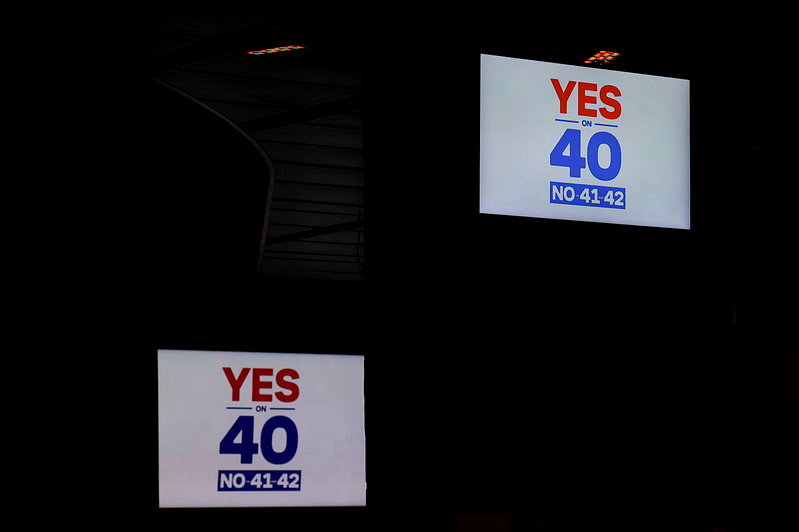
California’s Wealth Tax Referendum No. 40 was rejected due to heavy opposition funding and division among progressive factions. This not only caused the wealth tax initiative to fail miserably, but also put more pressure on the state government to replenish medical resources in the future.
California The rich tax that sets a precedent in the United StatesReferendum Was rejected.silicon Valley The veterans spent more than $400 million to mount a counterattack, and split with progressive allies, resulting in the most expensive referendum failure in California history and a major setback for the national wealth tax initiative.
The Associated Press reported that the referendum’s failure was a victory for top Democrats who opposed the proposal, including California Governor Gavin Newsom, who may run for president in 2028. Critics say the tax bill, known as Proposition 40, would encourage the extremely wealthy to leave California if passed.
Proposition 40 is expected to impose a one-time 5% wealth tax on wealthy Californians with a net worth of more than $1 billion, primarily to replenish federal Medicare funding cut by the Trump administration’s “One Big Beautiful Bill Act”, and the other 10% would be used for education and food assistance.
Most voters in California vote by mail. Ballots are considered valid as long as they are postmarked before the third day after voting day and mailed within a week. Therefore, decisions on close elections often take days or even weeks. The Associated Press determined today that the opposition camp had received enough votes to win.
The proposal is the nation’s biggest test yet of a long-running initiative by progressives to raise taxes on the super-rich by targeting investment income rather than job wages, their main source of wealth. The individual tax burden in the United States has always been based on income rather than wealth. This proposal is unprecedented in the modern US tax system.
The British newspaper “The Guardian” reported that it was the most expensive referendum fight in California history. The billionaires retaliated by investing a total of more than US$400 million and launched a propaganda war. In the first half of October, single-day spending exceeded US$2.5 million.
The amount of money raised by the opposition camp is about 10 times that of the support camp, and the donors include almost all the celebrities of Silicon Valley, including senior executives of Google, Palantir, DoorDash, Stripe, Reddit and other companies, and well-known venture capitalists; Google co-founder Sergey Brin is the biggest donor, donating more than US$100 million to fight the tax case.
The Wall Street Journal reported that polls taken earlier this year showed that the tax bill once had moderate support, but that public opinion changed as a flood of ads from the wealthy camp arrived via TV, mobile phones, social media and email, portraying the bill as a “tax on everyone” that threatened the retirement savings of ordinary people.
In contrast, the pro-coalition camp can only rely on cheap methods such as social media and internet celebrities to promote the proposal; The United Healthcare Workers West branch of the Service Employees International Union (SEIU), which promoted the proposal, invested more than US$30 million (about NT$990 million), but was still unsuccessful.
The proposal is supported by California’s major labor unions as well as progressive politicians like Vermont Senator Bernie Sanders and California Representative Ro Khanna. Sanders also called it “the most important referendum in the United States.”
However, not only the Democratic and Republican candidates for Governor of California are opposing the proposal, but traditional allies of the Democratic Party such as Planned Parenthood and the California Medical Association have also joined the opposition camp, fearing that the exodus of rich people will impact the finances of the state government, as California’s fiscal budget is highly dependent on income taxes paid by the richest class.
Thad Kousser, a professor of political science at the University of California, San Diego, believes the unions pushed the proposal before gaining sufficient support from key allies: “To pass a historic progressive tax increase that would destroy the historic practice in the United States, it cannot be at the expense of dividing the progressive coalition.”