
AI focus
Summary of article:
- Main point one:After the Democratic Party regains control of Congress, Trump’s domestic affairs are constrained and he may turn to diplomacy to achieve political achievements.
- Point 2:Tariffs are still Trump’s tool, and may be imposed on specific countries and products in the future.
- Key point three:Policies toward Taiwan and China will be influenced by the progress of US-China talks, arms sales, and congressional checks and balances.
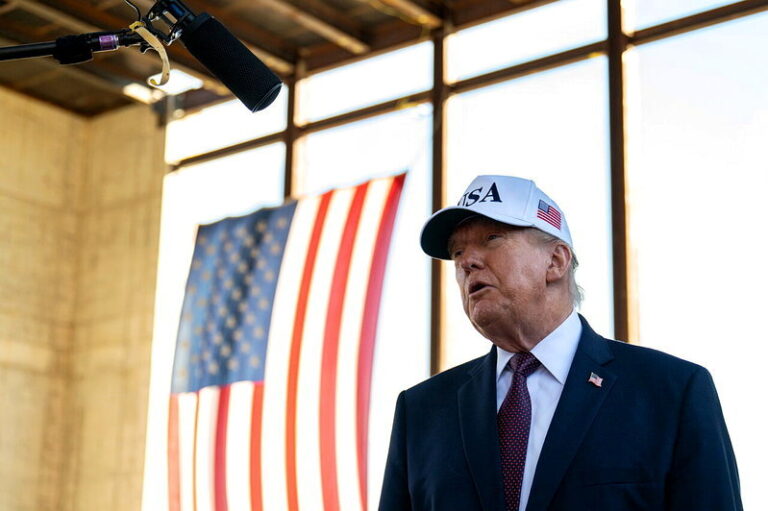
The midterm elections triggered a “blue wave” for the Democratic Party.trump In the next two years, if domestic affairs are hindered, they may turn more of their attention to diplomacy and trade to strive for political achievements.Tariff Yet there’s one tool he doesn’t want to give up,iran The war left them with the dilemma of reducing prices and maintaining pressure. From US-China talks to Taiwan arms sales, the next steps depend on how he wields the power in his hands and how many checks and balances the new Congress can put in place. The following is a summary of the six key observations:
After the Democratic Party regains control of both houses of Congress, it will be more difficult for Trump to promote major bills, but there is still plenty of room for policy implementation in the fields of foreign affairs and national security. Bloomberg analysis noted that past presidents have been more active in achieving diplomatic success in the second half of their terms and after losing congressional support. Trump could also use major negotiations, international agreements or military actions to roll back political achievements.
Current topics include the Iran war, Ukraine peace talks and arranging meetings with Russian President Vladimir Putin and Chinese President Xi Jinping. However, turning to diplomacy does not mean that he will necessarily back down; He could seek an agreement, or step up pressure, or even accelerate action before the new Congress takes office in January next year.
The war in Iran increased energy prices and increased the burden of living, which became a significant reason for the Republican Party’s defeat in the election. Vice President Vance stated bluntly after the election: “The reason we lost the election was because of the war.” If Trump can achieve a ceasefire, it will help ease domestic pressure and promote diplomatic achievements.
But he has not ruled out attacking Iran again. In an interview with Fox News, when asked if he planned further attacks, Trump said that if Iran “doesn’t follow the rules,” he would attack. In recent days, he has emphasized progress in talks while maintaining the threat of use of force. Follow-up cannot go in only one direction.
Congress can exert pressure through the defense budget. Trump’s proposed defense budget of US$1.5 trillion for fiscal year 2027 is a 44% increase from last year. Even some people from the Republican Party are raising questions on this. With the Democratic Party taking control of Congress, it may be more difficult to get support for the money needed to fully restart the war and replenish ammunition.
Tariffs are not just Trump’s trade policy, they are also a tool of diplomatic pressure and retaliation. Even if the Democratic Party controls both houses, if they want to significantly rewrite tariff policy, they will still face the Senate’s deliberative limits and the President’s veto power.
James Lindsay, a senior fellow at the Council on Foreign Relations, believes the bill limiting tariff powers is the legislation Trump is most likely to oppose. An ordinary bill usually needs 60 votes in the Senate to end the filibuster; If it is vetoed by the President, a two-thirds vote in each house is required to overturn it. The Democratic Party still does not have enough seats to overcome these limits.
Court decisions, cost of living and supply chains will also limit Trump’s efforts to increase spending. After the Supreme Court invalidated its global tariffs in February this year, the government still vowed to rebuild tariff revenues and use tools such as Section 301 of the Trade Act of 1974. Analysts expect tariffs to remain in place but could be more focused on specific countries and products.
The price and political pressure caused by the tariffs may prompt Trump to adjust his approach toward neighboring countries first. Canadian Prime Minister Carney said the United States has offered more concessions and fewer demands during recent talks, although there are still obstacles to be resolved by both sides.