
AI summary
Summary of article:
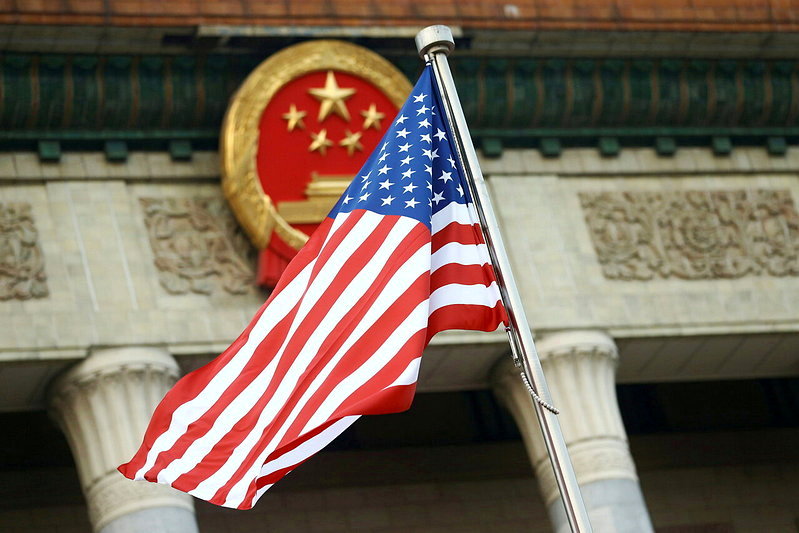
Several US media reports have linked the Huang Zhen-Hsun intelligence case to China’s Ministry of State Security, reporting that the agency has grown in power in recent years under Xi Jinping’s emphasis on national security and continues to target US technology and AI industries.
Recruiting American students fromdetective Activities, visit Huida (NVIDIA CEOJen-Hsun Huang Many reports regarding allegations of extramarital affairs point to the same Chinese intelligence agency: the Ministry of State Security (known as the Ministry of State Security).
CNBC reported that this secretive government agency does not have an official website other than a page for people to report. As Beijing officials pay more attention to national security from 2023, the position of the Ministry of National Security will become increasingly important.
Although the Ministry of State Security is not Beijing’s only intelligence agency, it has been named in several major cases. In recent years, after facing hacker attacks on American institutions, the US Treasury Department has successively imposed sanctions on Chinese companies and individuals allegedly related to China’s Ministry of State Security.
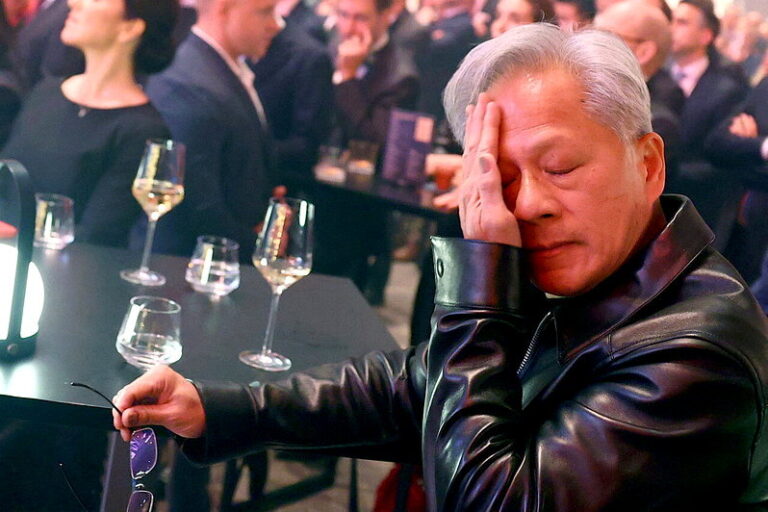
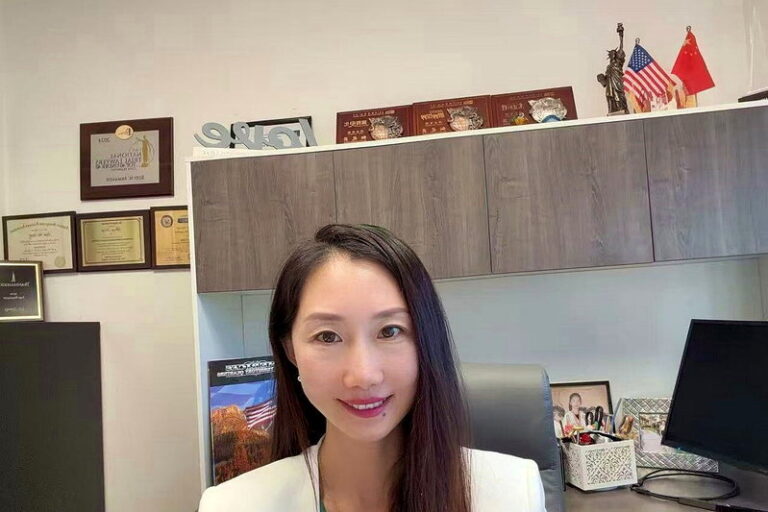
The Financial Times (FT) and The New York Times reported this month, citing sources, that US government intelligence agencies believe China’s Ministry of State Security recruited businessman Alice Huang to gather intelligence about Huida CEO Huang Renxun. Jen-Hsun Huang admitted to having an extramarital affair over the weekend, but it is unclear whether any sensitive information was leaked.
Research by Sheena Chestnut Greitens, an associate professor at the University of Texas at Austin, points out that China established the Ministry of National Security in 1983, partly because it had been closed to foreigners for 30 years and was beginning to open up to foreigners, and needed to deal with the risks that came with it.
Greitens wrote an article in China Leadership Monitor last year that during the administration of Chinese President Xi Jinping, the political influence of the Ministry of State Security appears to be expanding to “strengthen China’s ability to defend against espionage and foreign intrusion.” The magazine is hosted by Minxin Pei, a non-resident senior fellow of the German Marshall Fund in the United States.
In 2023, the Ministry of National Security opened a social media account on WeChat to raise public awareness of national security issues. The account published an article on the 10th, criticizing a man with a Chinese surname for falsely accusing a foreign organization of being a spy after he learned that his colleague had an opportunity for an overseas posting that he wanted to pursue.
The Ministry of National Security of China, the Cyberspace Administration of China, and the Ministry of Public Security are separate agencies. However, these agencies will also cooperate with each other. In September this year, China’s Minister of National Security Chen Yixin published a rare article in a journal led by the Cybersecurity Administration of China, stressing the need to improve artificial intelligence (AI) governance and prevent related security risks. At that time, senior executives of many well-known AI companies in the United States were also warning about the risks of AI technology developing out of control.
Chen Yixin also met with intelligence and security officials from Vietnam and Laos in Beijing this year, according to meeting minutes released by Chinese officials.
Matt Pearl, director of strategic technology programs at the Center for Strategic and International Studies (CSIS), a US think tank, said in a previous interview with CNBC that Beijing officials are increasingly targeting the US technology industry for intelligence gathering in an effort to narrow the gap in AI capabilities between China and the United States.
The Stanford University campus newspaper reported last year that an agent allegedly affiliated with China’s Ministry of State Security had posed as a student at the school for years to gather sensitive information.
The report quoted an unnamed Stanford expert on China’s intelligence activities as saying that China’s Ministry of State Security uses ordinary citizens to “quietly gain expertise behind American innovative technologies.”
Other cases also highlight this trend, although not necessarily directly linked to the Department of Homeland Security.