
AI summary
Summary of article:
Foreign media allege that Huang Renxun’s extramarital affair partner Huang Le is suspected of being a Chinese spy. He can use close contacts with Huida to influence chip supplies, internal decision-making, and gathering information on US policy and its stance on China.
NVIDIA HUIDA CEOJen-Hsun Huang Suspected of having links with Chinadetective Huang Le had an extramarital affair. How much information could be hidden in the exchange between Huang Le and Huang Le? US media cited expert analysis as saying that Huang Le may have obtained Huida product information, the company’s internal decision-making trends, and US President Trump’s views on AI and technology export policies through Pillow Talk, so that Beijing can understand the situation and seek opportunities to exert influence.
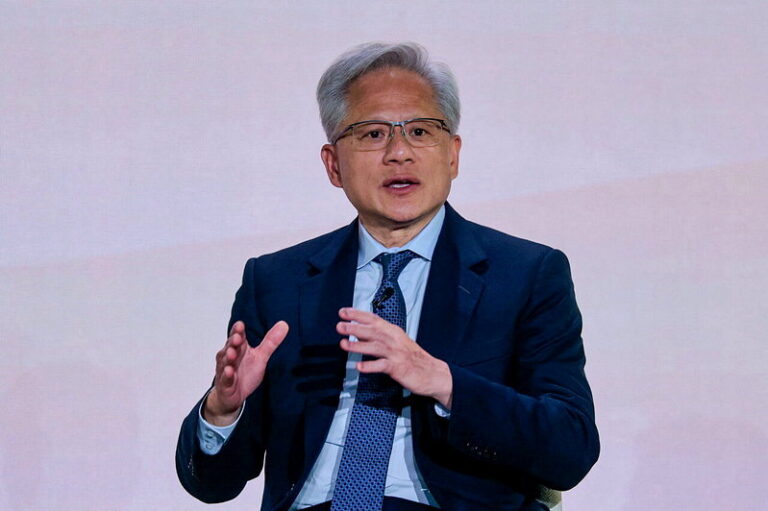
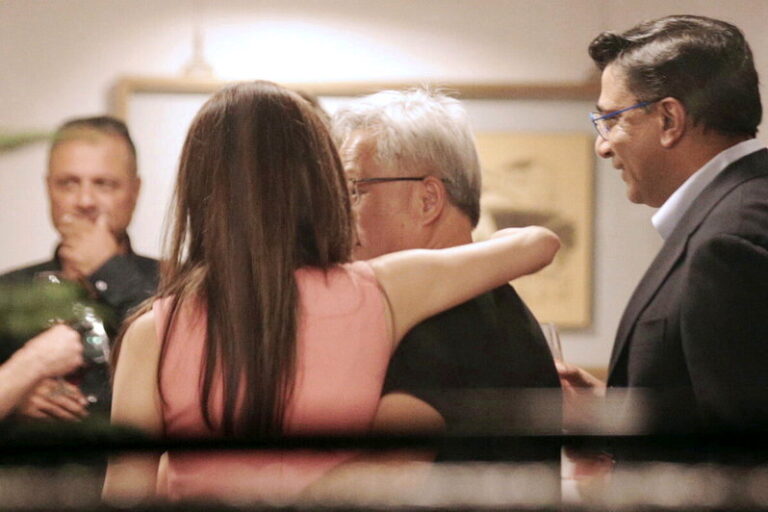
Jen-Hsun Huang admitted on the 8th that he had an extramarital affair with a woman. The New York Times identified the woman as Alice Huang, a former executive at Singapore data center MegaSpeed. He has been identified by US intelligence agencies as having been recruited by China’s Ministry of State Security to engage in espionage activities.
Technology website The Verge reported that HUDA chips are an important foundation for the development of advanced AI in the United States. Over the past few years, supply has exceeded demand. The company also has equity investments of approximately US$99 billion and has deployed top AI laboratories, cloud service providers, and infrastructure companies. Huang’s co-founder and CEO status, as well as his close ties to Trump, make him a valuable intelligence target in the eyes of foreign adversaries.
Hannah Dohmen, a senior research analyst at the Center for Security and Emerging Technology (CSET), said it is not surprising that Huida’s CEO has become the target of intelligence searches by China and other countries. In addition to US export control policies and Huang Jen-hsun’s interactions with the Trump administration, intelligence agents may also pay attention to “who is buying Huida chips, who can get them first, and what AI chips will be launched next” and try to influence policy.
The New York Post quoted Nicholas Eftimiades, a retired senior US intelligence officer and author of “Chinese Espionage Operations and Tactics”, as saying that Huang Le’s background in business in the technology industry may help him get closer to Huang Renxun. Both have subjects of common interest. Even if they are only negotiating whether a certain proposal can be approved by the board of directors, this can help China understand who within Huida supports it and who opposes it, and thus determine “who is enemy or friend.”
However, some experts believe that given Huang Renxun’s corporate position and ties to Trump, it may be necessary to take a more tactful approach if he wants to influence his views. Huang Le is more likely to introduce Huang Renxun to the Chinese people, which will gradually influence his understanding of the situation in China.
The Verge also cited a New York Times report that Huang Jensen began contacting then-White House AI director David Sachs in 2025. Sachs later became a prominent figure supporting Huida’s stance and agreed that selling American chips to China had its advantages. Huang Renxun has long advocated the relaxation of chip export controls to China.
According to the New York Times, ahead of the Trump-Xi meeting in October 2025, Huang Renxun lobbied Trump to allow Huida to sell more advanced chips to China, but Trump did not give the green light after the idea. Technology website Wired also reported that Huang had that same month hired a public relations firm known for handling sex scandals. In December of the same year, Trump allowed Huida to sell chips to approved customers in China, but the US government had to take 25% of the sales. The same rules apply to other US chip makers.
However, long before his first recorded meeting with Huang Le, Huang had been publicly questioning or criticizing China’s export controls for several years. Domain also stressed that even without Chinese intelligence operations, it would be in Huida and Huang’s interest to lobby for the easing of sanctions because the controls would limit business expansion and potential sales.
Edgard Kagan, senior adviser for China affairs at the Center for Strategic and International Studies (CSIS), said Huang has always clearly stated his reasons for relaxing export restrictions, but the relevant allegations raise questions about whether these opinions are not based entirely on his own judgment and also influenced by the Chinese government.
Summary FAQ
-
Experts believe he may have obtained Huida’s chip supply situation, who gets priority, the company’s internal decisions, and Huang Jen-hsun and the Trump administration’s views on AI and export controls through private conversations.
-
Because he is the co-founder and CEO of Huida, he has control over AI chips and investment layout, and he has a close relationship with Trump and access to the core of US technology policy, so his opponents are eager to understand or influence him.
-
The outside world began to question whether his advocacy of relaxing chip export controls to China was based solely on his own business decision or was also influenced by China; However, experts also pointed out that the relaxation of controls was fundamentally in HUIDA’s interests.