
AI summary
Summary of article:
Doctors say joint problems in autumn and winter are often related to prolonged sitting, less exercise and muscle stiffness. There is no consensus on the effect of weather on pain. The most important things are to maintain activity, warm up thoroughly and seek medical advice as soon as possible.
As the weather gets colder in autumn and winter, many patients suffering from arthritis or chronic pain will feel more pronounced pain and stiffness. However, Zhengxin, Tainan, TaiwanBone Clinic director Xiao Yuning said that in fact, current research has no consistent answer to how weather affects pain. This may be related to several factors such as temperature, air pressure, activity level and individual sensitivity to pain. This can be reduced by avoiding sitting for long periods of time, increasing activity, and paying attention to warming up before exercise.
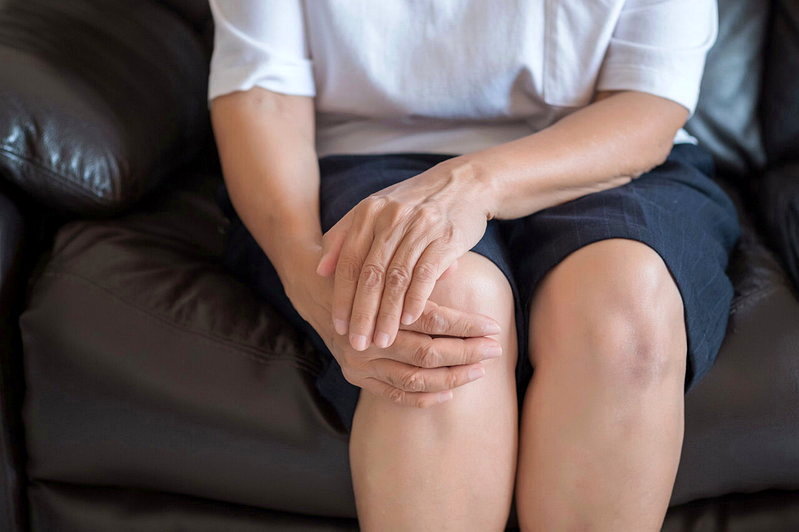
Xiao Yuning said that joint pain can be observed and improved from many aspects. First, it may be related to decreased activity levels. When temperatures drop, many people lose their desire to move, take fewer walks, stop exercising and prefer to stay indoors during the holidays. Over time, the mobility of the joints and the strength of the surrounding muscles may decrease. People with knee joint deformities may have more difficulty standing, walking, or even going up and down stairs.
Second, it may be related to muscle stiffness. Xiao Yuning said that when the temperature is low, the body will unconsciously shrink and shrink the body in order to stay warm. Additionally, muscles and soft tissues may move without adequate warm-up, which can easily lead to a feeling of stiffness and stiffness. Especially in the shoulders, neck, lower back or areas with old injuries, this may be especially noticeable when you wake up in the morning or suddenly start moving.
Xiao Yuning said that some studies have observed that there may be a relationship between changes in temperature, humidity or air pressure and joint pain, but the intensity of the effect is usually small, and not everyone feels the same. There is currently not enough evidence to prove that cold air will reduce joint fluid or directly accelerate the wear and tear of cartilage. It is worth observing whether the pain continues to increase, whether the joints are swollen, or whether the mobility function is significantly reduced.
In addition, Xiao Yuning said that in winter, it is most comfortable to sit on the sofa and watch TV dramas and wrap yourself in a blanket, but if you sit for 2 or 3 hours at a time, your knees will be bent for a long time and your back will be bent, even if you are not injured, when you get up you will easily feel that your body is trapped.
Xiao Yuning suggested that outdoor sports can be changed to indoor cycling, simple muscle training or stretching. Maintaining regular activities is usually more important than complete rest. When exercising in winter, it is also recommended to slightly increase the warm-up time to warm up the body before entering running, tennis or other high-intensity activities. When sitting for a long time to watch dramas, you can also use the business time to get up and walk around, stretch your shoulders, neck, waist, back and legs, which will generally make your body more comfortable.
Xiao Yuning reminded that if you rarely have pain but have recently begun to experience significant swelling, fever, painful awakenings at night, joint jamming, or sudden inability to bear weight, don’t just blame it on the cold weather. Further investigation into the actual cause is recommended.
Summary FAQ
-
Doctors reported that this could be mainly related to decreased activity level, prolonged sitting and stiffness of muscles and soft tissues. Cold weather can also make people less inclined to move, resulting in reduced joint mobility and the strength of the surrounding muscles.
-
There is not enough evidence in current research to prove that cold air will reduce joint fluid or directly accelerate the wear and tear of cartilage. Temperature, humidity, air pressure and individual pain sensitivity can all have an impact, but usually not much.
-
If you initially have only occasional pain, but become increasingly swollen, feel hot, wake up in pain at night, have a joint stuck, or suddenly become unable to bear weight, you should not blame the weather alone, and you should seek medical attention as soon as possible to find out the real cause.