
AI summary
Summary of article:
Experts have warned that passengers should not publish photographs of their boarding passes or passports on social media, as PNRs and barcodes can be used to hack the reservation system and even change seat and meal arrangements, affecting the entire journey.
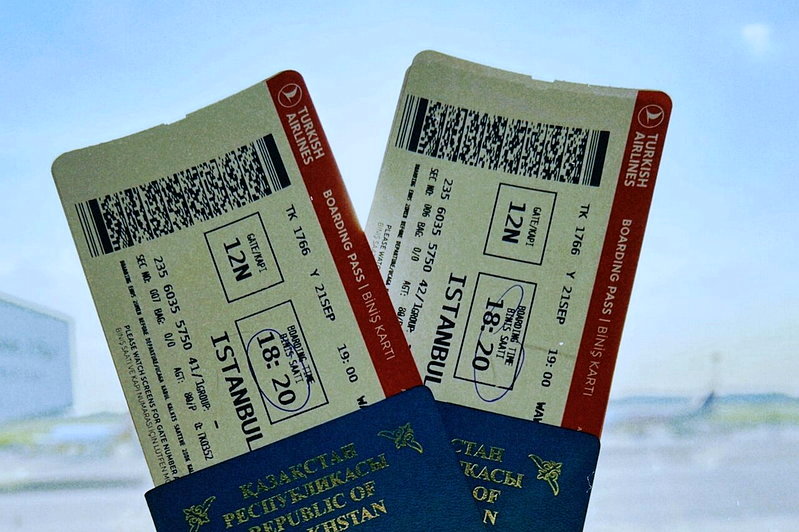
Before going abroad, many travelers like to take pictures of their boarding pass or passport and upload them on social platforms like Instagram to share their upcoming trip. However, experts warn that this common behavior could allow personal information to be leaked, and even malicious parties could invade the reservation system and tamper with seat and meal arrangements. In the worst case, it could impact the entire trip.
British legal services organization HD Claims reported that for several years, security experts have continued to remind the public not to publicly upload screenshots or photographs of boarding passes online, as reservation codes (PNRs) and scannable barcodes could be corrupted, travel magazine Travel+Leisure reported.hacker Access to personal data and airline reservation systems.
Adam Douglas, legal expert at HD Claims, said that even if key personal data on a boarding pass is obscured, advanced fraudsters may still be able to obtain information through QR codes or barcodes. “This is not just a social embarrassment, but a serious personal data security issue,” he stressed. If identity documents or travel accounts are compromised, travelers could suffer financial losses or even have their entire vacations ruined.
The first example is given in the report. In May 2025, a family living in Hong Kong uploaded a selfie of the family holding boarding passes to the Internet to celebrate their upcoming international trip. Unsurprisingly, the reservation was later tampered with. According to reports, the family claimed that the originally arranged seats were reallocated, the food was changed from the original reservation to kosher and diabetic food, and the parents were arranged to sit separately from their two children.
Examples of similar incidents exist. In 2020, former Australian Prime Minister Tony Abbott publicly shared his boarding pass for a Qantas flight on Instagram. As a result, their personal information was obtained by a third party. The British Broadcasting Corporation (BBC) reported that the hacker who obtained Albert’s passport information claimed that he did not use the information to engage in illegal activities, but to remind the outside world of the importance of network security.
Experts also remind that in addition to boarding passes, baggage tags and baggage claim receipts may also contain a large amount of personal information, and it is not advisable to take photos and make them public. HD claims also recommend that all travel documents be shredded or properly destroyed after travel, as there have been cases of people rummaging through hotel trash cans to find air tickets left behind by travelers.
The U.S. State Department recommends that you carefully research your destination before traveling abroad, avoid revealing the location of your accommodations to strangers, lock doors and windows during your stay, and not take valuables with you to reduce the chance of encountering security risks while traveling.
Summary FAQ
-
Because boarding passes often contain reservation codes (PNRs) and scannable barcodes, if obtained by interested parties, they can be used to trace personal information and even log into an airline’s reservation system, posing a travel risk.
-
After a Hong Kong family uploaded a selfie with their family’s boarding passes, it was reported that their seats and meals had been changed. In 2020, former Australian Prime Minister Tony Abbott released his boarding pass, which also allowed a third party to obtain personal information.
-
Baggage tags and baggage claim receipts can also contain a large amount of personal information, so it is not advisable to take photos and upload them casually. After the trip, it is best to shred or properly destroy relevant documents to avoid them being picked up and used by others.