
AI summary
Summary of article:
Following an online attack on Charles University in the Czech Republic, personal information from some students’ systems was leaked. The school has deactivated the victimization program, activated response measures, called police to investigate and asked users to change their passwords.
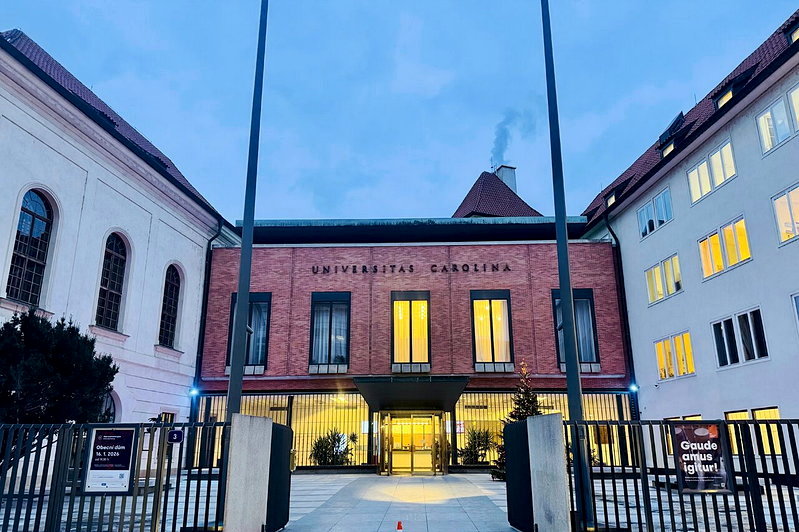
Recently a security incident occurred at Charles University in the Czech Republic. The school confirmed today that a web application on campus was hacked, resulting in unauthorized access to the Central Student Information System (SIS). The attackers had obtained some personal information illegally. Prague Police has started investigating the case.
Charles University in the Czech Republic, the world’s top-ranked university, said on its official website today that a preliminary investigation confirmed that the attacker had illegally obtained and downloaded some data into the system, including personal information. The actual number of people affected and the scope of the data leak still need to be further clarified.
Charles University said that after the incident was discovered, the school immediately initiated security response measures to mitigate the impact of the incident and ensure the security of related systems. The compromised web application is currently out of operation, and the relevant access rights and channels have been securely processed.
The statement said the school’s dedicated security and information technology team is collaborating with various colleges to continue to investigate the occurrence of the incident, the scope of the data leak and potential after-effects. It has not yet been confirmed whether the stolen personal information has been used further or not.
Charles University has informed the Czech National Cyber and Information Security Agency (NUKIB) of the incident and is preparing to file a criminal complaint against the unknown attacker.
Charles University will also meet its obligations in accordance with relevant laws and regulations on personal data protection, and evaluate the necessary notification and protective measures for affected individuals. Subsequently, the results and related measures will be announced in a timely manner based on the progress of investigation and management.
“I can confirm that we received a report related to this case today and we are currently handling it and investigating all relevant circumstances further,” Prague police spokesman Richard Hrdina told the Czech News Agency (CTK).
Charles University has asked users of the Central Authentication Service (CAS UK) to change their passwords, according to an email sent by the university to students and obtained by the Czech news agency. The school explained that this is a preventive measure to strengthen the security of user accounts and protect users’ access to the school’s information systems.
Some time ago, the Czech Technical University (ČVUT) was attacked online. At that time, the school shut down some of its information systems and successfully prevented the attack. According to the school, the attack was related to an attempted global attack on websites built using the PHP programming language, which had several major security vulnerabilities announced at the time.
Summary FAQ
-
Hackers first hacked into a web application on campus, allowing unauthorized access to the Central Student Information System (SIS). The attackers also downloaded some data, including personal information.
-
Charles University has immediately initiated a security response, halting the operation of the infiltrated program, completing the relevant access rights processing, and requiring CAS UK users to change their passwords to mitigate subsequent risks.
-
Prague police have accepted the report and started an investigation. The school has also informed NÚKIB and is preparing to file a complaint against the unknown assailant. It will also assess and notify affected individuals and take protective measures in accordance with personal data law.