
AI summary
Summary of article:
The trend has become clear in several referendums in California. Voter Verification Bill No. 39 and Wealthy Tax Bill No. 40 are both counterproductive. Fiscal and tax restriction bills No. 41 and 42 continue to attract attention, which overall shows that voters are becoming more conservative towards the new tax system.
2026California In addition to the elections for Governor, Lieutenant Governor and other public offices, the general election also includes several state-level elections.Referendum The results of the proposals were also announced one after the other. By the afternoon of the 4th, the victory or defeat trend of most of the proposals has been roughly determined. Among them, Propositions 39 to 42, which cover the electoral system and the right of state governments to levy taxes, have attracted the most attention from the outside world and have become the most politically charged bills in this referendum.
Proposition 39 advocates the establishment of a strict voter identity verification system, requiring voters to provide a government-issued ID when voting, and requiring those who vote by mail to also provide additional identification information. Supporters believe the move will help increase the credibility of elections, while opponents believe it could increase voting thresholds for some voters. According to the latest voting results, Proposition 39 failed to win majority support and was rejected by voters.
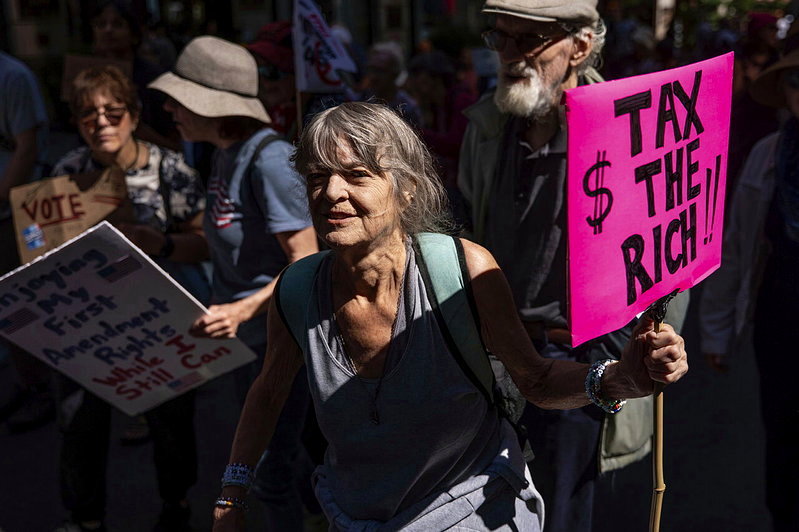
Proposition 40 is known as “rich tax “, is planned to impose a special tax on ultra-high-net-worth individuals with a net worth of more than 1 billion yuan to fill the financial gap in medical care and some social welfare projects. The proposal has sparked heated debate among business and labor groups since it was proposed. The latest results show that the opposition vote remains ahead, giving the proposal that has attracted national attention a slim chance of passage.
Proposition 41 requires that future new state-level special taxes must undergo regular audit and financial supervision, and limits the room for adjustment for certain tax purposes. Proposition 42 prohibits state governments from imposing certain types of estate taxes on individual investment properties, retirement accounts, and other financial assets. Proponents believe both proposals will help strengthen fiscal transparency and protect taxpayers’ rights and interests, while opponents criticize them as setting up a safety net for higher income groups. Due to the legal negotiations between Proposition 41, 42, and Proposition 40, the voting process has attracted a lot of attention.
Except for proposals 39 to 42, the results of most other proposals have become clear. Among them, Affordable Housing Bond Proposal No. 1, Rainy Day Fund Proposal No. 2, and Higher Income Tax Proposal No. 3 all passed with more than half the support, indicating that voters generally support the relevant fiscal and government operation adjustment plans. Proposition No. 37, down payment subsidies on home purchases, also passed with a clear advantage and is considered one of the bills with higher support in this referendum.
On the other hand, Proposition 44, the community health clinic proposal, suffered a major defeat. According to current polling results, the support rate is only about 20%, making it one of the most strongly opposed proposals in this state-level referendum. Analysts reported that voters’ doubts about the use of funds and policy implications included in the proposal were important reasons for its failure to gain support.
Overall, the results of this referendum show that California voters are somewhat cautious about new tax policies, but still show some support for government operations and public policy reforms. In particular, the issues of electoral system, financial supervision and taxation authority covered by Propositions 39 to 42 may still become the focus of continued conflict between the state legislature and various interest groups in the future. As counties continue to count mail-in and provisional ballots, final certification results have yet to be announced by the California Secretary of State’s office, but the overall trend has largely been determined.
Summary FAQ
-
Proposition 39 requires government-issued identification when voting and the presentation of additional identification information for mail-in voting, with the aim of strengthening the credibility of elections. However, the latest vote counts show that it does not have majority support and voters have rejected it.
-
Proposition 40 proposes to impose a special tax on ultra-high-net-worth individuals with a net worth of more than 1 billion yuan to supplement medical and social welfare resources, which has sparked heated debate among business and labor groups. At present, opposition votes are leading and chances of passage are very slim.
-
Affordable Housing Bond No. 1, Rainy Day Fund No. 2, and Higher Income Tax Proposition No. 3 have all passed by more than half, and Home Purchase Subsidy Proposition No. 37 is also clearly ahead; Community Medical Clinic Proposal No. 44 has only 20% support, a major setback.