
AI summary
Summary of article:
Next week, the market will focus on AI stocks, Trump-Xi talks, expectations of interest rate hikes by the Federal Reserve following Microsoft’s failure, and changes in crude oil oversupply and geopolitical risks.
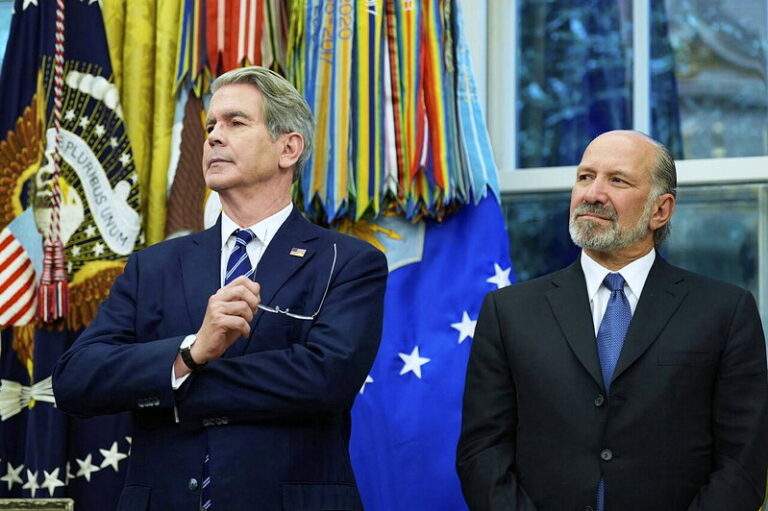
US chip stocks came under selling pressure again on Friday.Jen-Hsun Huang The resignation crisis began to hit chip stocks and the Philadelphia Semiconductor Index fell 3.4%. Following are the five most important international news worth reviewing before markets open next week:
US chip stocks came under selling pressure again on Friday, with the Philadelphia Semiconductor Index falling 3.4% and TSMC ADRs falling 1.7%, but still up 8.1% and 6.2%, respectively, for the week.Huida (Nvidia) fell 2%, falling 13% in the whole week, and its market value decreased by about 573 billion US dollars; Super Micro also fell sharply on Friday, but still gained 18.9% on the week.
Next week’s HUDA financial report and Anthropic’s listing will test whether the surge in AI stocks can continue. Huida is scheduled to release its financial report after the market closes on Tuesday, the 17th. Analysts estimate third-quarter revenue to reach US$109 billion, with profit growth of nearly 90%. In addition to paying attention to the succession arrangement, the market will also examine whether orders have changed, whether long-term growth forecasts can be maintained, and whether HUDA’s financing support for partners will be adjusted after interest rates rise.
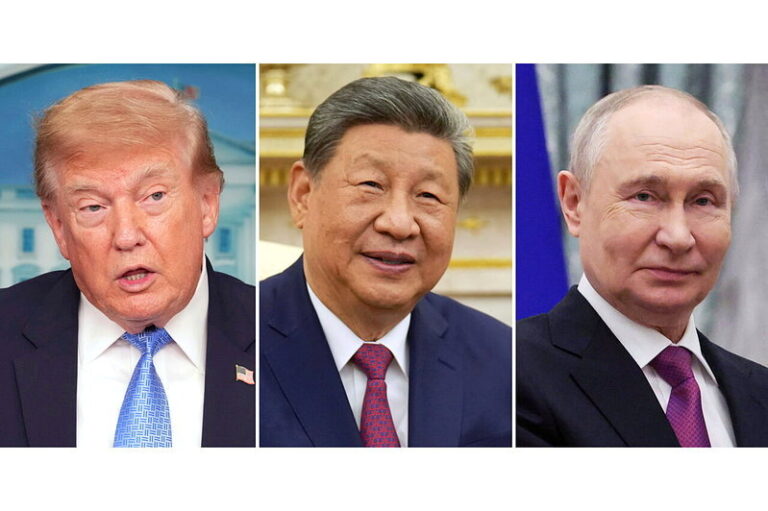
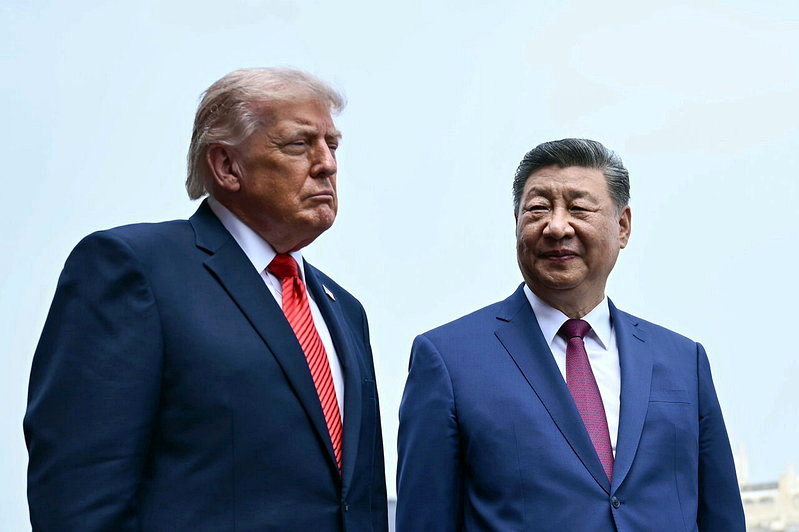
The White House said Trump will hold three-way talks with Xi Jinping and Russian President Vladimir Putin on the sidelines of the Asia-Pacific Economic Cooperation (APEC) summit in Shenzhen next Thursday. Trump has previously said the focus is on limiting nuclear weapons, but China is unwilling to discuss sanctions with the United States and Russia, whose nuclear weapons stockpiles far exceed his, and expects little progress.
US officials said Trump would discuss war with Iran but Ukraine is not expected to be discussed, and no separate talks with Putin have been scheduled. Facing issues like trade, tariffs, AI competition and Taiwan, Trump will also hold his third bilateral meeting with Xi Jinping this year. Officials downplayed the impact of the Huang incident, saying Trump had no intention of raising it with Xi Jinping. The US-China trade truce is set to expire in January 2027.
Inflation is accelerating again in the United States. Federal Reserve officials have spoken intensely this week. The market has decided that interest rates will be increased by 1 point (0.25 percentage points) in December. The focus is on whether to continue raising interest rates in January next year and how much higher interest rates should ultimately rise.
Investors are currently betting on a one-point increase in rates in December, January and March next year and Bank of America is also expected to raise interest rates in the next three meetings. Fed Governor Waller even warned that a two percentage point increase in interest rates may be needed in December, but some officials still advocate a gradual approach.
Consumer and producer prices rose and employment strengthened in October, which also supported further interest rate hikes. However, the weak housing market and AI investment that may not perform as well as expected, leading to a stock market decline, are still policy considerations. Chairman Wash has avoided announcing the direction of short-term interest rates, and speeches from other officials have increased volatility in US bond yields.
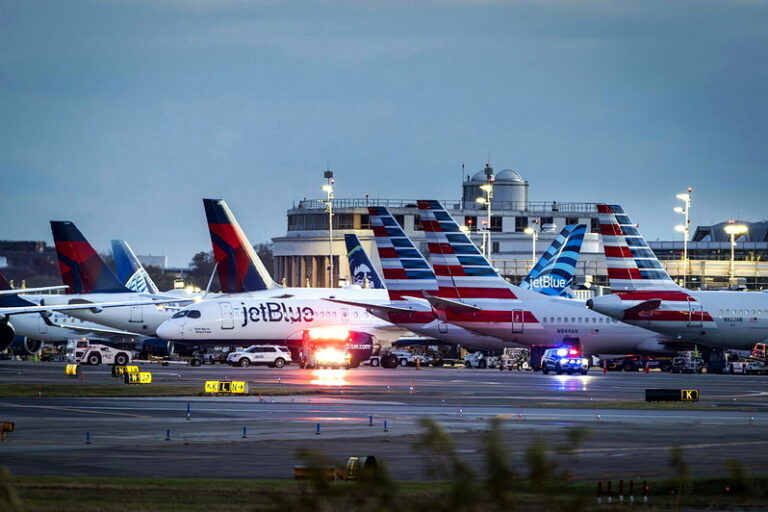
Microsoft said Microsoft 365 services have been fully restored and the backlog of emails has been processed. This wave of failures affected Outlook, Teams, and Copilot. Users in more than 70 countries reported the situation. Government agencies, financial transactions and corporate operations were disrupted around the world. Some companies delayed releasing financial reports, and the British medical system also rearranged some medical treatments.
Microsoft said the failure was caused by an error while upgrading network capacity. There was no sign of malicious activity and it was nothing to do with AI or agents. Microsoft deployed more than a thousand engineers and other employees to fix the problem and will review preventive measures. The incident once again raised concerns about excessive reliance on a single service provider, but Microsoft’s share price was little changed.