
AI summary
Summary of article:
The website of the Consular Affairs Bureau of the Ministry of External Affairs was hacked and approximately 100,000 passport photographs and related personal information were leaked. Fortunately, the validity of the passport was not affected. At the same time, the Information Security Administration warned that AI facilitated attacks, and several companies in Taiwan also reported that personal information had been leaked.
hacker Infiltration continues. In addition to Taiwanese companies, even the Consular Affairs Bureau of the Ministry of Foreign Affairs and the Taipei City Public Works Bureau have been hacked. Zhou Zhihe, deputy director of the Information Security Administration of the Ministry of Digital Affairs, said yesterday that more than 10 companies have recently been victims of this, resulting in the leakage of up to 8 million personal information. Artificial intelligence (AI) aiding hackers in cyber attacks has become a new international trend, calling for companies and the public to be more vigilant.
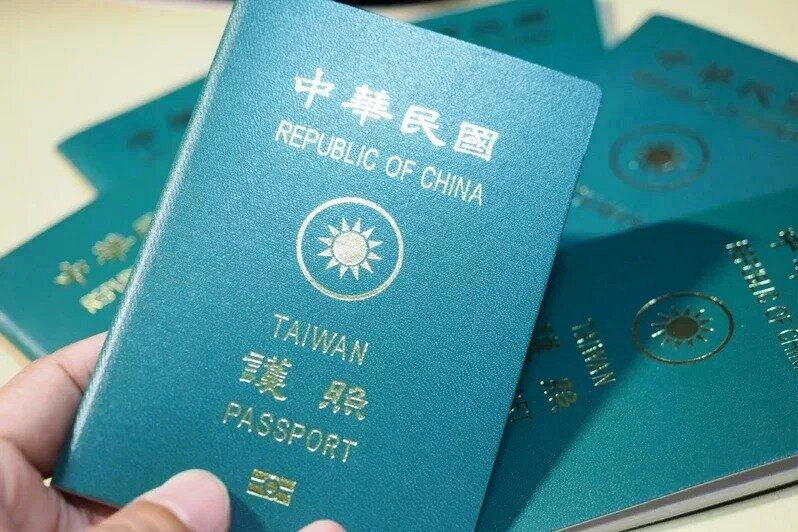
The Consular Affairs Bureau of the Ministry of Foreign Affairs recently discovered that it had been hacked and approximately 100,000 pieces of personal information were obtained.Passport Personal information such as mugshots were leaked. The Consulate General recently issued a press release saying that on the afternoon of November 4 this year, it was discovered that some websites were suspected of being hacked. However, after the program was repaired and security checked, all websites have been restored online.
The Consular Affairs Bureau reported that the information obtained by the hackers included a total of 72,702 files of certain passport photos uploaded by people through individual online reservations, travel agency group packages and conditional online passport renewal channels between September 3 and November 2 this year. There were also scanned files of some authorization letters verified by the New York office from October 26, 2011 to November 6 this year, a total of 26,072 files.
In addition, from September 1 to November 9 this year, the information that people applied for through the Asia-Pacific Economic Cooperation Business Travel Card (ABTC) online form filling website, a total of 774 applications, including the applicant’s photo, application number, gender, application category, place of birth, job title and recommended organization, were also leaked.
The Consular Bureau reported that the scanned files of passport photos and authorization letters stolen by hackers will not affect the validity and normal use of issued passports. People do not need to renew their passport immediately. The verification validity of relevant authorization letters and use of ABTC cards issued in future will not be affected.
Zhou Zihe told the press conference after the Executive Yuan meeting yesterday that the Facebook page account password of the Geotechnical Engineering Office of the Taipei City Government Works Bureau was stolen, and the website of the Consular Affairs Bureau of the Ministry of Foreign Affairs was hacked. Both cases were reported in late September and early November, respectively, and both cases have been completed.
Zhou Zhihe explained that when private enterprises such as 91APP and Yiyou.com that are not subject to the Information Security Law leak personal information, the enterprises will report according to the personal information security and maintenance measures determined by the competent authorities of each purpose, and then the competent authorities will report it to the personal information preparation department and the digital department to understand the handling situation.
Zhou Zhihe said that AI-assisted hacker attacks have become an international trend. Japan and South Korea have recently experienced similar incidents, and more than 10 companies in Taiwan have been victims of this, resulting in the leak of 8 million pieces of personal information. The public is reminded to be alert to fraud, and the Digital Ministry will provide relevant technical resources and information sharing to assist private citizens and enterprises.
TSMC also reported a major information security incident yesterday. A hacker was selling suspicious personal information of TSMC employees on underground forums, claiming to have 46,000 records and a data capacity of 6.9 GB. He threatened that if no one bought it within a week, the related information would be completely exposed.
In this regard, TSMC confirmed that some current and former employee information has been disclosed without authorization, but stressed that there is currently no evidence that internal systems have been invaded, and the relevant information has nothing to do with the company’s production and customer information. It is speculated that the leaked data may be related to external cloud service providers rather than the hacking of TSMC’s core information system. It has also focused on data management and information security responsibilities ranging from internal information security protection to third party suppliers.
Summary FAQ
-
The compromised data included 72,702 passport photo files, 26,072 scanned authorization documents, and 774 ABTC application materials, totaling approximately 100,000 transactions, including a variety of online applications and verification documents.
-
The Consular Affairs Bureau said that the scanned files of the stolen passport head photos and authorization letters will not affect the validity of issued passports, nor will it affect future authorization letter verification and normal use of the ABTC card. People do not need to renew their passport immediately.
-
The Digital Ministry said that AI has become a new trend in hacker attacks. About 10 Taiwanese companies and 8 million personal information were leaked. TSMC confirmed that some employee information was leaked, but there is currently no evidence that key internal systems have been compromised.