
AI summary
Summary of article:
It has been reported online that tapping the forehead for 30 seconds can reduce appetite. Doctors say this may only provide a short-term distraction and long-term weight loss effects have not been confirmed. Real improvement still requires regular diet and emotional management.
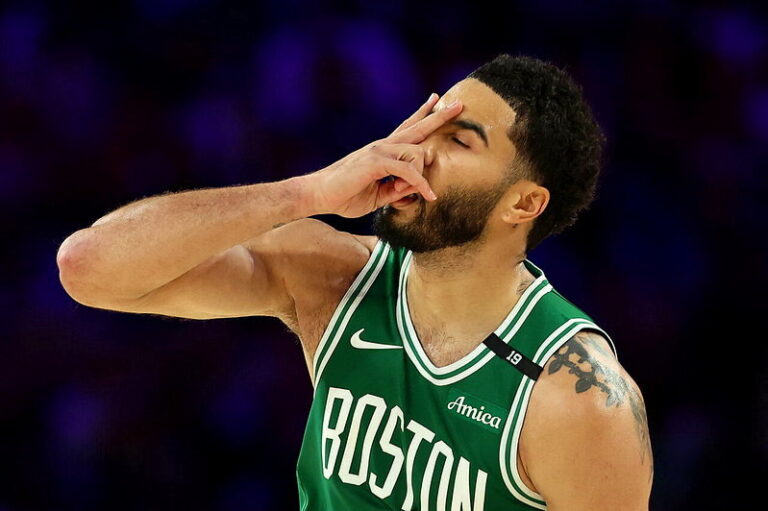
Recently, it has been circulated on the Internet that “patting the forehead for 30 seconds can reduce appetite and prevent overeating”, which has upset many people.lose weight People are eager to try. Psychiatrist Yang Kangkai said that this method is not baseless. In the past, small studies have shown that patting the forehead, ears, or toes can distract attention and temporarily reduce food cravings. However, the scale of the studies is limited and long-term efficacy in reducing food intake or helping with weight loss has not been confirmed.
Yang Kangkai pointed out that in the past, American researchers asked 55 severely obese adults to imagine their favorite food, and then perform activities such as patting their forehead, patting their ears, tapping their toes on the floor, and staring at a blank wall for 30 seconds. The results found that these actions could reduce people’s desire for food, with forehead tapping having the most prominent effect. However, this study mainly looked at subjective food cravings over a short period of time and was not a large-scale clinical trial, and did not prove that it could treat bulimia or achieve long-term weight loss.
Why might tapping on the forehead be useful? Yang Kangkai said that when a person craves chocolate, cake or fried chicken, the taste, aroma and texture of the food can be continuously reflected in the brain, making the craving for the food stronger. At this time, tapping your forehead with your fingers and shifting your attention to physical touch can temporarily interrupt the mental image of constantly wanting to eat, and the automatic response of reaching for snacks when you see them can also be temporarily interrupted.
However, people should distinguish between physical hunger and psychological hunger. Yang Kangcai said that the first is the body’s actual need for energy and may be accompanied by reactions such as stomach emptiness and hunger; The latter may be affected by boredom, stress, anxiety, loneliness or depression. For example, if you have just finished lunch but suddenly feel like eating potato chips because your work is not going well, this could be emotional eating. But if you haven’t eaten anything for a long time and your body really needs energy, but you keep tapping your forehead to force yourself to endure, then this is not healthy diet management.
If you want to reduce emotional eating, Yang Kangcai suggests that in addition to patting the forehead as a helpful technique for short pauses, it is more important to establish a regular diet to avoid excessive eating during the day, which may lead to overeating due to hunger at night. When you suddenly want to eat, you can delay it for 10 minutes and see if walking, deep breathing, or stretching helps your hunger go away over time. You can also practice mindful eating, putting down your mobile phone, slowing down your eating, and paying attention to whether you are full or not.
He said that if you often eat due to stress or negative emotions, you should first find out the trigger instead of blaming yourself for lack of willpower. If you repeatedly eat large amounts of food in a short period of time and are unable to control your food intake, and are accompanied by intense shame and pain after eating, which can also affect work and interpersonal relationships, you should further evaluate whether you have bulimia, and seek help from a psychiatrist, psychosomatic, or eating disorder professional team if necessary.
Yang Kangkai reminded that obesity is not only caused by gluttony or lack of willpower, but also affected by factors such as genetics, hormones, sleep, psychological stress, and living environment. Weight loss should not rely solely on appetite suppression or extreme dieting, but should begin with regular eating, moderate exercise, sleep management, and emotional regulation. Only by learning to understand the body’s true needs can we establish long-term and healthy living habits.
Summary FAQ
-
Doctors say this method can only temporarily distract and reduce food cravings, but there are only small studies to support this, and there is no evidence that it can reduce food intake in the long term or actually help with weight loss.
-
When the image and taste of food are constantly being encountered in the brain, actions such as tapping the forehead will shift attention to touch and briefly interrupt the mental image of the desire to eat, potentially reducing the craving.
-
You can delay the first 10 minutes and see if walking, deep breathing, stretching, or mindful eating reduces your appetite, and establish a regular diet as well. If binge eating occurs frequently and affects your life, you should seek medical evaluation.