
AI summary
Summary of article:
Huang Renxun’s suspicions about China’s intelligence have raised concerns in the US Congress, raising the prospect of legislation for three chip control bills that could pass in December and further reduce Huida’s trade with China.
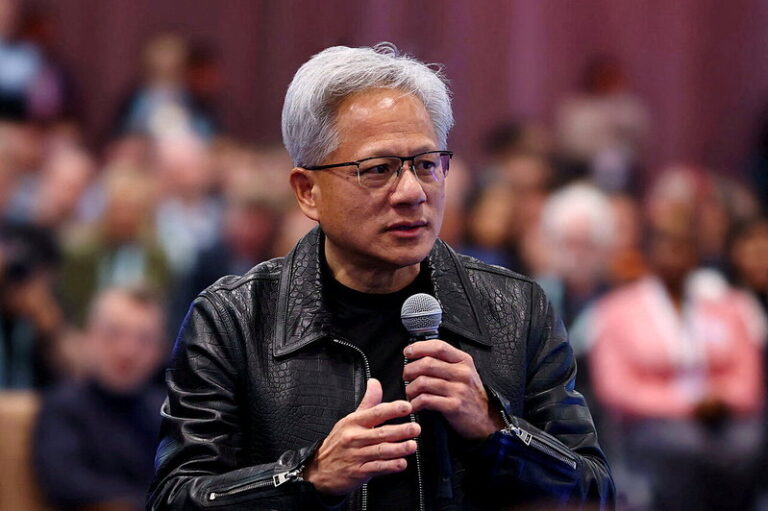
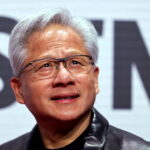
Huida (NVIDIA CEOJen-Hsun Huang After admitting his extramarital affair and suspecting his partner to be involved in Chinese intelligence activities, the concerns of members of the Democratic and Republican parties have not been addressed, even after the support of the Board of Directors and US President Trump. In addition to the closed-door hearing, the US Congress may also pass a strict chip export control bill next month to further restrict Huida’s Chinese business.
MarketWatch reported that three bills related to the export of AI chips and semiconductor equipment got a chance to be included in the annual National Defense Authorization Act and were passed in December. Analysts believe that the chances of these bills being passed have increased significantly due to the Jen-Sun Huang controversy.
Analysts Henrietta Trese and Dan McCarthy of research consulting firm Veda Partners estimate that the chances of legislation for the Chip Security Act, which aims to curb smuggling of advanced chips to foreign rivals such as China, have increased to 60% to 80%.
The likelihood of legislation passing the “AI Oversight Act” to tighten export controls on AI chips increased from 40% to 65%; And the “Match Act” was increased from 35% to 60% to tighten export restrictions on sensitive chip manufacturing equipment.
Still, the bill can be shortened. Owen Tedford, a senior research analyst at Beacon Policy Advisors, said the controversy and the White House’s commitment to proposing the amendment have indeed increased legislative momentum, but the bill’s passage is not certain. Even if it passes, it will likely be a version with fewer restrictions and closer to the White House’s views.
The next focus is that Huang Renxun will participate in the closed hearing of the House of Representatives on November 18. Veda analysts said they would keep an eye on signs that information related to the Trump administration’s chip and AI policies was leaked to Huang Le, who is suspected of working for Chinese intelligence agencies. She was a director of Singapore-based cloud computing company MegaSpeed, a buyer of Huida chips.
In addition to congressional legislation, the Trump administration may also step up efforts to crack down on chip smuggling. Veda analysts believe another possible but less likely approach is to prevent Chinese companies from accessing advanced chips remotely through overseas data centers.
A tougher option is to directly revoke Huida’s license to export H200 chips to China. However, Drizzy and McCarthy believe this is unlikely to happen in the short term, given Trump’s past relationship with Huang and Trump’s long-term desire to support Huida.
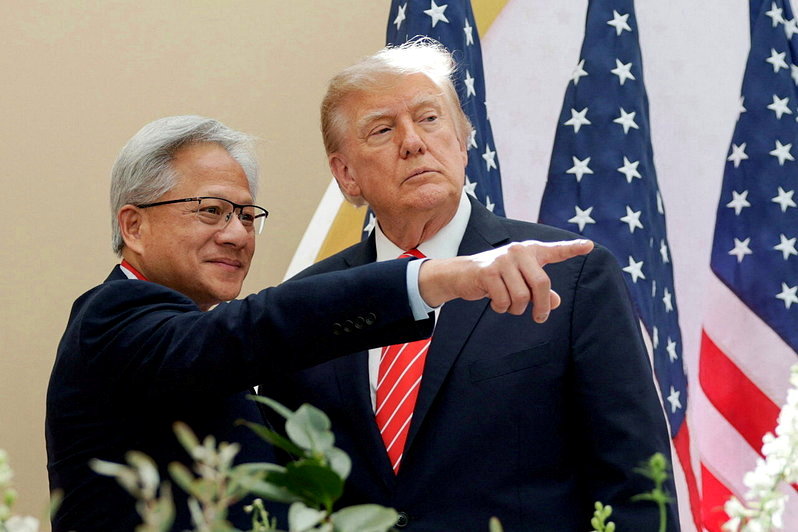
Trump publicly endorsed Huang on Monday, saying he had built a great company and adding: “He said he had no idea that the guy was a spy.” However, members of Congress have called for the immediate suspension of shipments of advanced AI chips to China until the incident is investigated.
Summary FAQ
-
His extramarital affair partner was suspected of being involved in Chinese intelligence activities, leading to suspicions among lawmakers from both parties about Huida’s dealings with China, increasing the chances of passage of the chip control bill, significantly increasing legislative momentum.
-
The chances of passage have increased, including the “Chip Security Act” to curb smuggling of advanced chips, the “AI Oversight Act” to tighten the export of AI chips, and the “MATCH Act” to restrict the export of sensitive chip devices.
-
Congress will first hold a closed-door hearing and may request China to suspend shipments of advanced AI chips; The Trump administration may step up efforts to crack down on smuggling, but outright revoking H200 export licenses is unlikely in the short term.