
AI summary
Summary of article:
A Chinese resident in the United States shared the experience of his mother suffering from pulmonary embolism after a long-haul flight to the United States, reminding elderly people that sitting on the plane for a long time is at risk of blood clots, and they should exercise in advance, assess their health, and prepare insurance.
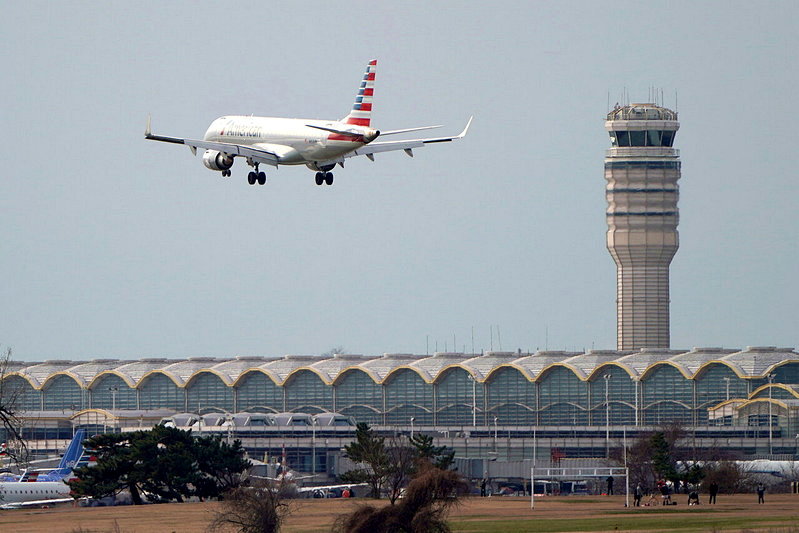
A Chinese living in the United States recently visited “April Cathy in North America”little red book Sharing, my mother flew 15 hours from China to the United States to visit relatives on October 31. There were no obvious abnormalities during the flight, but after landing he began experiencing shortness of breath and physical discomfort. I thought it would improve after going home and resting, but the next day the symptoms remained the same. After being sent to the emergency department for examination, it turned out that it was pulmonary embolism, and I was immediately admitted to the hospital for anticoagulant treatment.
Cathy said her mother experienced trouble breathing when she entered the country and customs officials at once suggested calling an ambulance. However, her mother believed that the situation was not serious and was worried that she would be sent to the hospital before seeing her daughter, which would cause trouble to the family, so she still completed immigration first and her family took her in. When her condition did not improve the next day, her family immediately took her to the emergency room, where doctors detected blood clots through a CT scan of the lungs.
After experiencing this accident, Cathy reminded that when arranging long-haul flights for the elderly, you can give priority to choosing aisle seats to facilitate getting up and walking during the trip; You can repeatedly lift your heels and toes, flex your ankles, and contract your calf muscles while on the seat. The CDC recommends that travelers get up and move around occasionally. Those who choose aisle seats can move around every 2 to 3 hours and stretch their legs and exercise the calf muscles at their seats.
The US Centers for Disease Control and Prevention (CDC) states that traveling by airplane, car, bus, or train for more than four hours can increase the risk of deep vein thrombosis due to prolonged sitting. If a blood clot breaks off and travels to the lungs, it can cause a life-threatening pulmonary embolism. Although the overall incidence is low, the risk will be higher for people who are older, who have had blood clots, who have recently had surgery, who have cancer, who have limited mobility, or who use hormonal medications.
Many people in the comment area suggested buying business class for their elderly parents so they can lie down and relax and increase their space for activities. However, wider seats can only improve comfort but cannot completely eliminate the risk of blood clots. You should still avoid maintaining the same posture for long periods of time. Other netizens reminded to purchase medical insurance in advance that covers the entire trip and compile information about hospitals near the residence. Kathy admitted that her insurance agent had reminded her to apply for insurance, but she neglected to do so. Now apart from worrying about her mother’s condition, she is also waiting for the hospital bill.
This experience also made Kathy realize that when taking her parents to visit relatives abroad, in addition to arranging for air tickets, luggage, and airport pick-up, she also needed to understand the health risks, medications, and insurance in advance. For older travelers or those at risk for blood clots, receiving a professional assessment before departure is far more reassuring than having to deal with an emergency after landing.
Summary FAQ
-
After about 15 hours of flight, he started having trouble breathing. He thought it would improve after rest, but it did not improve even the next day. After being sent to the emergency department, a CT scan of the lungs revealed a blood clot. She was eventually diagnosed with a pulmonary embolism and was admitted to the hospital for anticoagulant treatment.
-
The CDC states that flying or other transportation for more than 4 hours and sitting for long periods of time will increase the risk of deep vein thrombosis; If a blood clot breaks off and flows into the lungs, it can become a life-threatening pulmonary embolism. The elderly and people with pre-existing medical conditions are at greater risk.
-
It is advisable to choose aisle seats as close as possible so that you can get up and move around every 2 to 3 hours, and frequently lift your heels and toes, flex your ankles, and contract your calf muscles while in the seat. You should also plan your medical insurance and information about the nearest hospital in advance.