
AI summary
Summary of article:
A team at Northwest University reconstructed the face of a man buried in a tomb outside the Qin mausoleum and speculated that he might be Qin Shihuang’s son. The remains were accompanied by arrow wounds and signs of dismemberment, but his true identity and cause of death have yet to be determined.
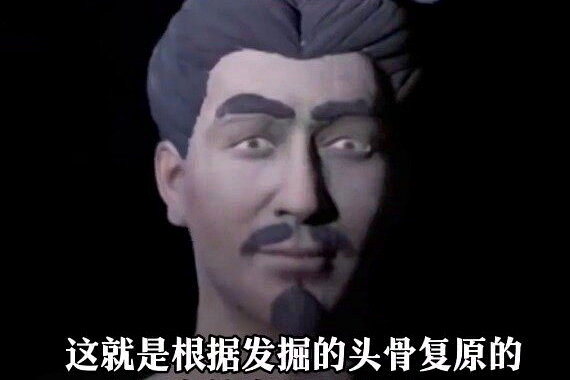
The original version of “Looking for Kin” is actually held in China;Northwestern University The scientific research team used craniofacial reconstruction technology to restore the face of a young man in the tomb in Shangjiao Village, on the east side of the tomb of Qin Shihuang. Experts estimate that this person may be the son of Qin Shihuang. He was about 30 years old when he died. A bronze arrowhead is embedded in the right temple bone. His head and limbs were dismembered before being placed in the coffin. He may have died during the imperial purge following the accession to the throne of Hu Hai, the second emperor of Qin.
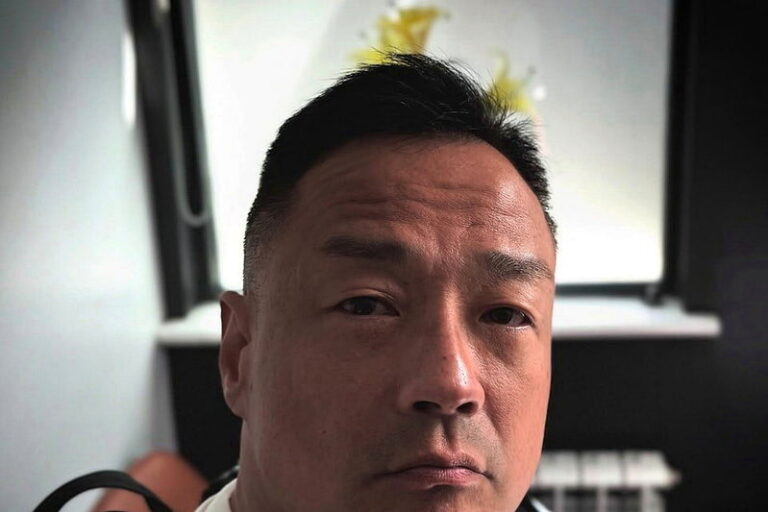
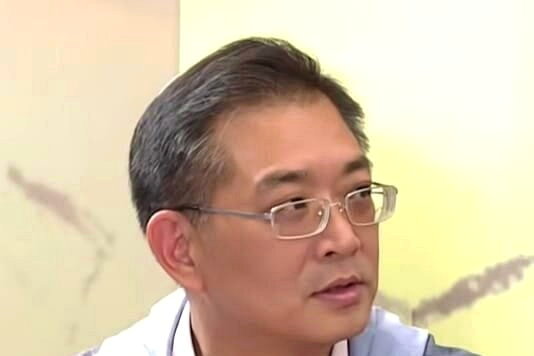
After the news was revealed the market of discussion became heated. Some people said that the man whose face was restored looks like actor Zhang Lui, while others said he looks like Wang Qianyuan. appeared on related topicsweibo Hot search.
According to Shaanxi TV News and other media reports, archaeological data shows that the man was about 30 years old when he died. Not only was a bronze arrowhead deeply embedded in the right bone of his skull, but when he was buried his remains were also severely fragmented, his skull and limbs all separated. Burial objects such as gold, silver, bronze swords and jade were found in the man’s grave, indicating that the tomb owner was of high status. In the restored photograph, the man has olive-shaped eyes and a high bridge of the nose, similar to the “sharp eyes and long eyes” described by historical records about Qin Shihuang).
However, archaeological experts have put forward different explanations for the cause of death of this relic. In 2009, this skull was displayed at the Cultural Relics Exhibition of the Tomb of Qin Shihuang. At that time, researchers of the Qin Mausoleum reported that Shangjiao Village was located near the outer city of the Qin Mausoleum. Archaeologists discovered a total of 17 tombs, and most of the tombs’ owners, princes and princesses of the Qin dynasty, are believed to have been murdered. As for the arrow marks in the skull, some researchers believe it could be evidence of being shot. Others have suggested that the man may have been accidentally hit by an arrow while playing.
The reason why this relic is connected to the historical events of Hu Hai’s purification of the imperial family is mainly based on historical records. After Qin II came to the throne, he ordered the disposal of Qin Shihuang’s children. The “Li Si Biography” records that 12 princes were murdered in Xianyang, and 10 princesses were mutilated and killed in Dudi. This record relates to the dismemberment of the remains in Shangjiao village, but historical data do not record the specific identity of the victim, and it is impossible to confirm who the man was.
Furthermore, whether the owner of the tomb is actually Qin Shihuang’s son is not without controversy in academic circles. The face released this time was scientifically extracted by researchers based on the skull morphology and soft tissue data of the human face. Experts believe that if ancient DNA can be further analyzed in the future, there may be a chance to clarify the mystery of the identity of this relic.
Summary FAQ
-
The man was about 30 years old. Gold, silver, bronze swords and jade were found in the tomb, which shows that he was of high status. A bronze arrowhead was embedded in his right temporal bone, and his skull and limbs were separated and dismembered before being placed in a coffin.
-
Because the tomb is located near the outer city of the Qin Mausoleum, and historical records record that Qin II purged the imperial family and executed many princes and princesses after coming to the throne. The remains were also fragmented, so they were linked to victims of the royal family.
-
Not confirmed yet. There is still controversy in the academic community as to whether he is the son of Qin Shihuang. The bullet may be hit by an arrow or accidentally. Researchers believe that further clarification will be possible in the future through ancient DNA analysis.