
AI summary
Summary of article:
AI stocks fell sharply and then rallied after the midterm elections. Foreign media believe that the correction of technology stocks has entered a new stage, and the market is moving from crazy expansion to a more differentiated pattern of winners and losers.
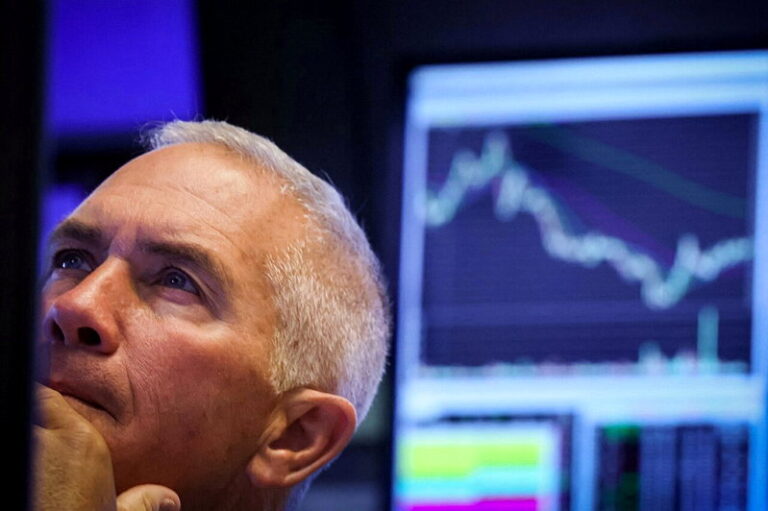
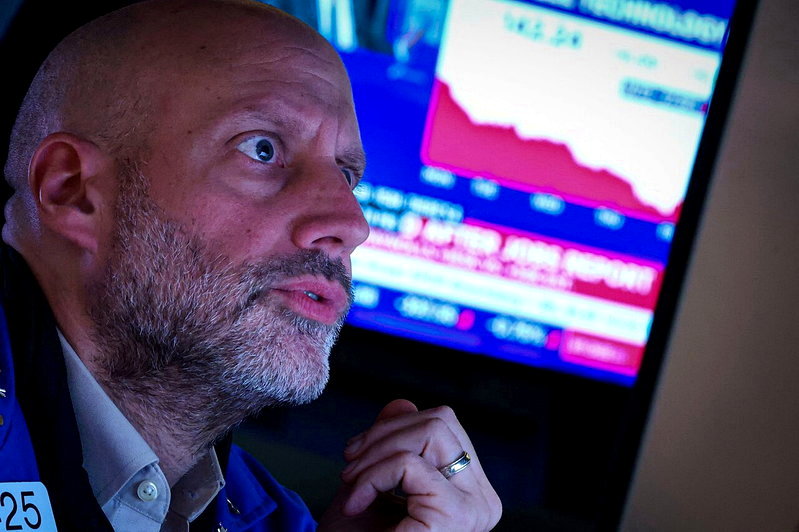
Global Artificial Intelligence (AI)concept stock The past month has been a slide, with the decline accelerating after this week’s US midterm election results became clear.Nasdaq The composite index closed down 5% on the 5th, and then closed up more than 1% on the 6th. Foreign media commented that the correction of technology stocks has entered a new stage.
The idea behind the new wave of selling pressure on technology stocks is to “stop losses,” a Financial Times editorial said. The Democratic Party launched a “blue tsunami” during the midterm elections, causing hedge funds and other leveraged investors to rush to reduce their investments in AI. Selling pressure on AI-related stocks was particularly intense. chip manufacturerHuida (Nvidia) stock price hit a record high a month ago, and now it has fallen more than 20%.
Even though the US stock market partially recovered its lost ground on the 6th, the recent market weakness shows that deep changes are taking place in the AI construction stage. The more complex political environment has created strong headwinds and is attacking hyperscalers. Rising chip and data center spending next year has pushed up borrowing costs and increased the backlog of orders. In Texas, Ohio and other states that are building data centers, voters have elected candidates for governor who pushed for a recession, a sign that political headwinds are taking hold.
In recent years, the AI industry has been moving towards building data centers at a rapid pace. Without a real decline in spending or a real decline in demand, a change in the environment is enough to put the brakes on this momentum. The “new cloud” company, which specializes in computing power leasing business, saw its share price fall the most this week.
In any gold rush, the first gold dug up is the most valuable. For some time now, Wall Street has been getting valuation signals from the “spade-and-shovel” stocks of the AI gold rush, indicating that growth is bound to slow down. For months, even as chip companies have reported a surge in orders, warning signs have emerged for semiconductor stocks that suggest the days of hyperscale companies spending heavily on memory chips at any price are over.
The Philadelphia Semiconductor Index peaked in June and has since fallen nearly 40% from its peak. During the same period, Samsung Electronics’ share price halved and SK Hynix fell 60%. This explains why these two South Korean memory makers have had the largest gains in dollar terms this year in the history of the technology industry, but their stock price expected price-to-earnings ratios are only single digits.
This doesn’t mean “AI trading” is over, but it does show that the previously fierce competition is cooling down as borrowing costs soar as the race to raise funds to buy chips continues. Many voters in the United States may be looking at their investment portfolios with gloom right now, but the prospect of mortgage interest rates reaching 8% has already got everyone worried.
The good thing is that investors who own shares of big US technology and data center companies can also appreciate that the Democrats are providing an excuse to curb this AI lending and arms spending race. Credit markets can already smell it. While the stock market was roaring this week, the contract value of credit default swaps (CDS), which largely hedge against the bankruptcy risk of cloud companies, did not rise but fell; Yields on some loans from “new cloud” giant CoreWeave soared as high as 17%.
The conclusion is: the delicate first stage of AI is mixed with optimism and pessimism, and the rapid expansion momentum will end sooner or later. This week’s market turmoil may not be the last round of this phase of protracted tug-of-war, but a new phase is taking shape that may more clearly identify winners and losers.
Summary FAQ
-
The main reason was that after the midterm election results became clear, hedge funds and leveraged investors were prompted to stop selling losses, causing AI stocks to decline; However, US stocks partially recovered the lost ground on the 6th, which showed that the market was still digesting the pressure of correction, and short-term fluctuations intensified.
-
This means that AI investment is no longer just a one-off surge in sentiment, but has entered a deep adjustment period, including slowing spending growth, rising borrowing costs, and increasing political resistance. The market will differentiate more clearly between strong and weak companies.
-
Chip stocks like Huida, new cloud companies that specialize in leasing computing power, and major memory makers have all been affected. The Fee Half Index has fallen nearly 40% from its June high, indicating that valuations of ultra-large-scale clouds and supply chains have cooled simultaneously.