
AI summary
Summary of article:
Texas’s new governor has called for a moratorium on building new data centers and reforms to community rights, water, electricity and cost regulations before moving forward. Voters and local referendums across the United States also generally restrict the development of data centers.
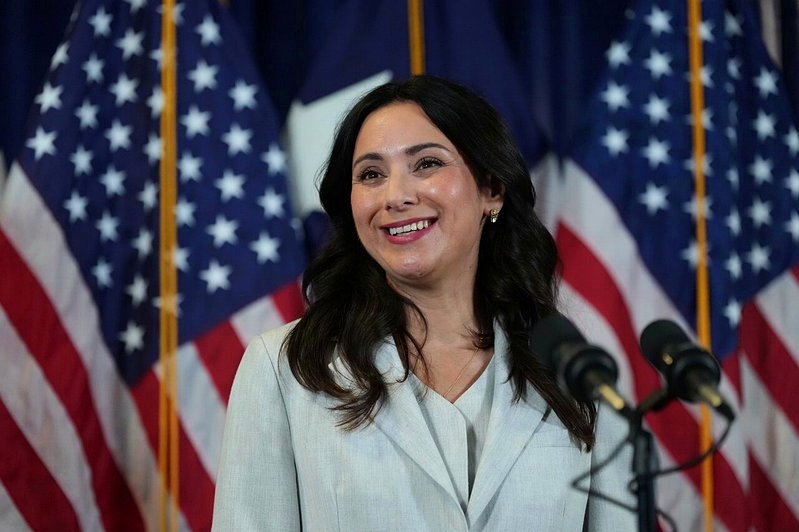
texas Governor-elect Gina Hinojosa said Thursday that data center development should be halted until rules are put in place to protect residents. Texas is expected to overtake Northern Virginia in 2030 to become the world’s largest data center market. There has been a lot of attention in the industry on what conditions new projects will now have to face.
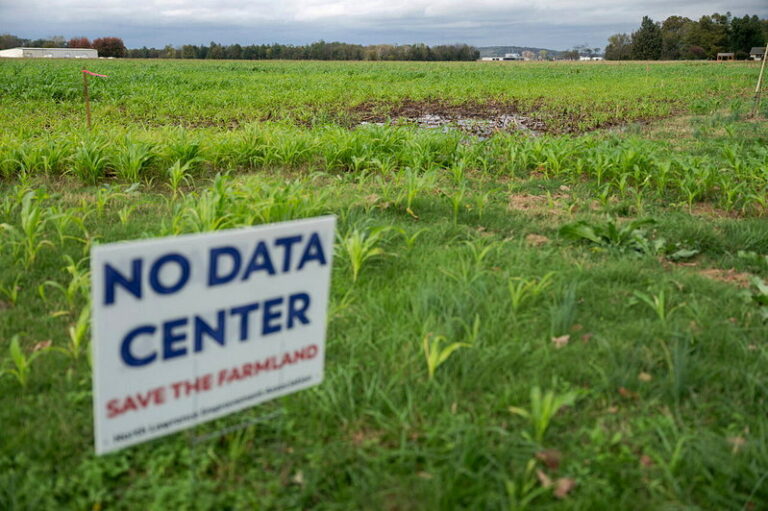
Hinojosa said in an interview with CNN that data centers are mostly built in rural areas, but local residents lack legal protection. He advocated that the community should have the right to have a say and be able to participate in deciding whether to build a project and how it is operated after it is constructed.
Texas has abundant energy supplies, relatively cheap land, and business-friendly policies, which attract companies to build large-scale data centers. However, residents are concerned that the construction project will increase electricity bills and increase water pressure. Before the election, current Republican Governor Abbott had ordered a suspension of the integration of new data centers into the power grid and a comprehensive review of related construction projects.
The Trump administration has made data center expansion a national priority, but local residents’ concerns about electricity and water have also become part of the cost-of-living issue in the campaign. According to statistics from the advertising tracking company AdImpact, TV advertising expenditures mentioned in the data center during the election campaign exceeded US$380 million, and the Democratic Party spent three times more than the Republican Party on such advertisements.
This reaction extends beyond party lines. An Associated Press voter survey shows that nearly three-quarters of American voters oppose building new data centers in their communities, but only a quarter list AI data centers as an important consideration in congressional votes. Where Consultants Track Redbud ConsultingReferendum Of the 45 sports where vote counting has been completed, 44 have passed restrictive measures.
According to data from the research project Data Center Watch, the Associated Press estimated that 32 of the 34 elected governors support strengthening supervision or restricting data center growth, and 12 of them support banning or suspending growth. Ohio Governor-elect Amy Acton also promised to block the project if it did not meet certain standards.
Next, the questions operators face are how much water and electricity to use, who will bear the costs, and how much decision-making power residents have. Democratic Wisconsin Governor-elect David Crowley told The Associated Press that he is considering requiring developers to disclose more water and electricity information, to garner community support and avoid passing the cost of electricity onto electricity users and ratepayers. OpenAI also called on governments at all levels on Thursday to set clear rules.
Morgan Stanley believes that the Texas gubernatorial election is the most important election result for data center development this time. If states adopt different rules, U.S. data center construction could gradually concentrate in states that are still willing to accept new projects.
Summary FAQ
-
Because they believe that data centers are mostly located in rural areas and local residents lack adequate legal protection, a system that can protect the community, standardize operations, and participate in decision-making must be developed before deciding to continue construction.
-
An Associated Press poll shows that nearly three-quarters of voters oppose building new data centers in their communities; Of the 45 local referendums that have been counted, 44 have passed restrictive measures, and opposition is quite clear.
-
Operators will face issues such as how much water and electricity to use, who will bear the costs and how much decision-making power residents have. Some states have considered the need to disclose more information, garner community support, and avoid placing the cost burden on users and taxpayers.