
AI summary
Summary of article:
Following the midterm elections, political pressure emerged to restrict the construction of AI data centers in many states, forcing technology giants like OpenAI and Meta to reevaluate their expansion strategies and turn to existing facilities, overseas or less responsive locations.
The results of the US midterm elections have caused technology giants to face a new problem: they have invested heavily in AI competition, but the data center may not be able to make it up. Democratic candidates advocating a development moratorium won in several key statesOpenAI ,meta Wait for the industry to recalibrate and consider expanding existing facilities or even moving abroad.
Citing people familiar with the matter, the Wall Street Journal reported that OpenAI CEOultraman During a Q&A with employees on Wednesday, the company acknowledged the public’s concerns about water consumption and understood why people might not want to live near data centers. At one point he suggested that perhaps it should be built in the desert. Top management also discussed whether it is necessary to adjust data center capacity forecasts for next year.
The Financial Times analyzed that in the short term, the impact of state governments may be more direct than changes in power in Congress. Although Democrats won both houses, federal legislation could be vetoed by Trump; The new governor may insist on a moratorium and consider tightening water and electricity rules.
Goldman Sachs estimates that states where Democratic officials are likely to further restrict growth account for about 45% of the country’s planning capacity.
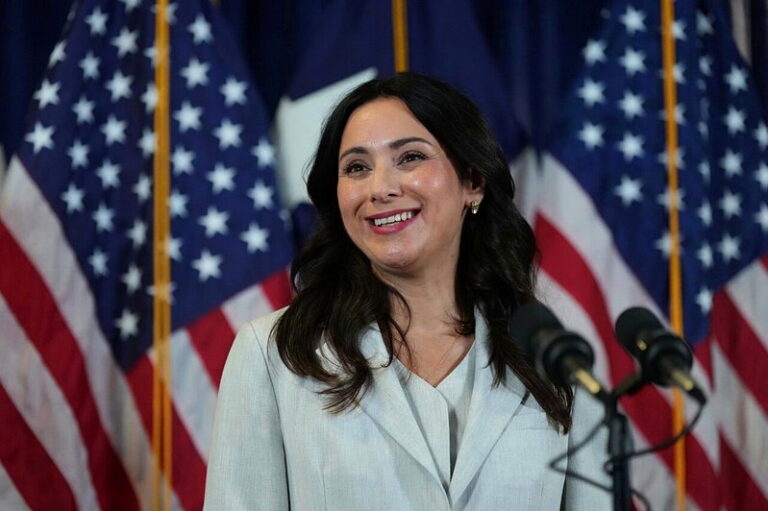
Texas is particularly important, accounting for nearly a quarter of the planned development in the United States. Governor-elect Hinojosa said Thursday that the data centers are mostly located in rural areas, but lack regulations to protect residents. Development should be suspended until safety measures are implemented and residents should be allowed to participate in decision making.
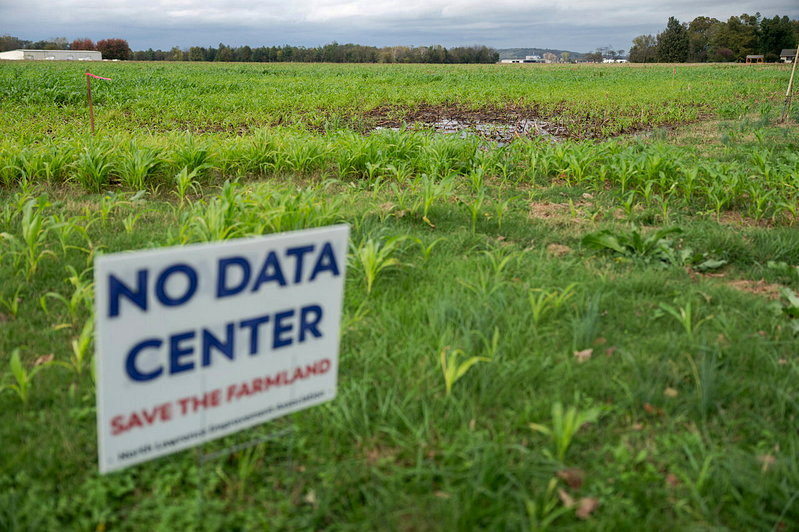
In Piqua, Ohio, Metra planned to invest $1 billion in building a data center, but voters ousted three officials involved in the approval and passed a referendum to limit new construction, changing the plan’s prospects.
Tech industry players have stepped up efforts to reach out to the new governor and his transition team. Meta President Dina Powell McCormick revealed at the Wall Street Journal Technology Forum that a governor-elect who made data center issues a focus of his campaign does not want to lose investment and job opportunities and has offered to meet after taking office.
But he acknowledged that building a data center in the United States would be more difficult, and developing one from scratch would be particularly challenging. Meta and other technology companies are considering setting up overseas locations.
Another approach is to expand existing facilities, as residents can already see employment and tax benefits, and support is easier to garner.
To address the backlash, OpenAI announced its data center development commitments on Thursday, which include not requiring executives to sign confidentiality agreements during negotiations, soliciting community input and disclosing energy, water and noise impacts.
Most vulnerable will be speculative developers and emerging cloud players with less existing computing capacity. Large technology companies are relatively better equipped to respond because they already have the infrastructure in place. However, the industry is still confident of long-term demand. Advanced Micro Devices (AMD) CEO Lisa Su said on Wednesday that the surge has not prompted the company to adjust its AI market growth forecast through 2030.
Summary FAQ
-
Technology companies’ plans for large-scale expansion are facing greater resistance as Democratic candidates advocating a growth moratorium have won in several key states, making it more likely that local governments will tighten water, electricity and development regulations.
-
The industry is considering expanding existing facilities because it is easier to get approval from residents, and is also evaluating relocating data centers overseas, or simply building them in deserts and other locations with less population and less rebound.
-
Texas, which accounts for about a quarter of planned development in the United States, would be most affected if the state government insists on a moratorium; In Piqua, Ohio, prospects for Metra’s $1 billion plan have changed after voters passed a referendum to recall approved officials and limit new construction.