
AI summary
Summary of article:
As millions of people have already voted, there have been many surprises in the final stretch of the midterm elections, and polls have shown the Democratic Party leading in several battleground states, increasing the uncertainty of the election.
The New York Times analyzed on the 2nd that as millions of voters completed early voting, a series of changes emerged one after another in the last weekend before the election. Will this year’s vote be affected?midterm elections Make an impact and attract attention. Polls show voters are dissatisfied with the rising cost of livingrepublican party The red state of the Iron Ticket warehouse, okaydemocratic party Now I have the opportunity to try it. Satisfaction with President Trump’s administration has declined. Although the location of the district and the large amount of outside capital investment are more favorable to the Republican Party, the goal of gaining majority control of the Senate, which originally seemed unattainable for the Democratic Party, has suddenly become an opportunity.
The latest joint poll released by The New York Times and Siena University on the evening of the 1st showed that Democratic candidates competing for US Senate seats are currently ahead of their Republican opponents in almost all seven battleground states.
Taking Texas as an example, Republican candidate Ken Paxton faces a staunch Democratic opponent, James Tallarico. Whether conservative supporters maintain party loyalty regardless of the controversy over Paxton’s ethics has become the focus of attention.
However, in the final race before the election, a series of accidents and emergencies rocked the election.
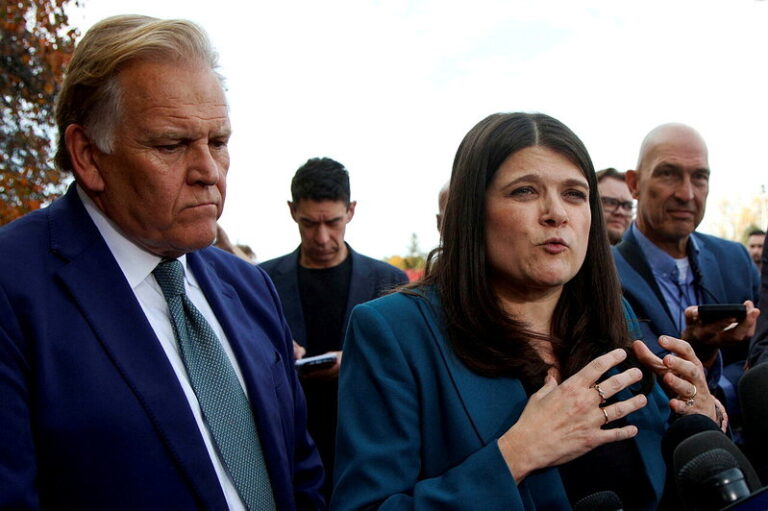
Incumbent Michigan US Representative Haley Stevens, who previously lost to Abdul Al-Sayed in the Democratic primary, suddenly threw her support behind Republican Michigan US Senate candidate Mike Rogers on the 1st, bringing the controversy over factional differences in the Democratic Party directly to the center of the stage.
Republican Kansas U.S. Senator Roger Marshall, who is seeking re-election, faces a tough election situation. He recently ignored some senior advisors of the election team and filmed his own video to refute the rumours. It was premiered on social media on 31st. During this election, it was reported that Marshall, a doctor by training, had sued 700 patients he had treated to recover outstanding medical expenses.
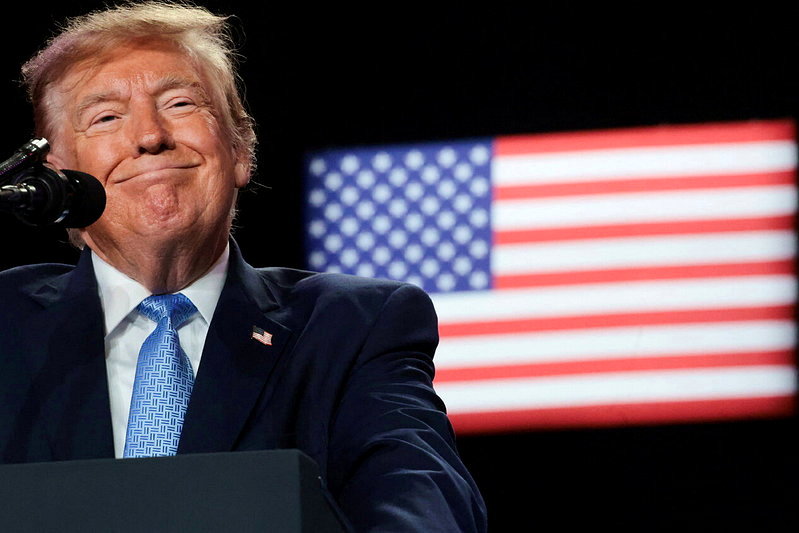
Trump arrived in Iowa on the 1st to support the election, and appeared at several campaign events consecutively to launch a campaign to defend the red state. When Trump mentioned 43-year-old Iowa U.S. Senate candidate Ashley Hinson at a rally, he said, “I’ve known Ashley for a long time, and she used to be fat, right?” Trump praised Hinson for losing weight “not by injection, but the traditional way”, which shows his determination to serve his voters. Trump later moved to Kansas to continue polling assistants and his voice became raspy.
In the Alaska US Senate election, it was revealed that the Democratic Party defeated incumbent Republican Senator Dan S. Used tactics to confuse voters by recruiting a retired teacher with the same name as Sullivan to contest the election. After the Trump administration filed the lawsuit, it was dismissed by a federal court judge over the weekend.
Summary FAQ
-
As millions of voters have completed early voting, the emergency situation in the final stages could still influence the decisions of those who have not yet voted, and could even change the margins between the two parties in key states.
-
A joint poll by The New York Times and Sienna University shows that Democratic senatorial candidates are leading their Republican opponents in nearly all seven battleground states, opening up a chance of regaining a majority that originally seemed unfavorable.
-
These include Democratic Representative Stevens of Michigan endorsing Republican candidates, Marshall, Kansas’s involvement in the Medicare spending controversy, and Trump’s words and actions during the secondary elections in Iowa and Kansas, all of which could influence voters’ perceptions.