
AI summary
Summary of article:
The US midterm elections could change AI regulation, technology trade and fiscal policies, which in turn will affect Taiwan, South Korea and Japanese stocks, the US dollar, US bond yields and Asian bond and currency market trends.
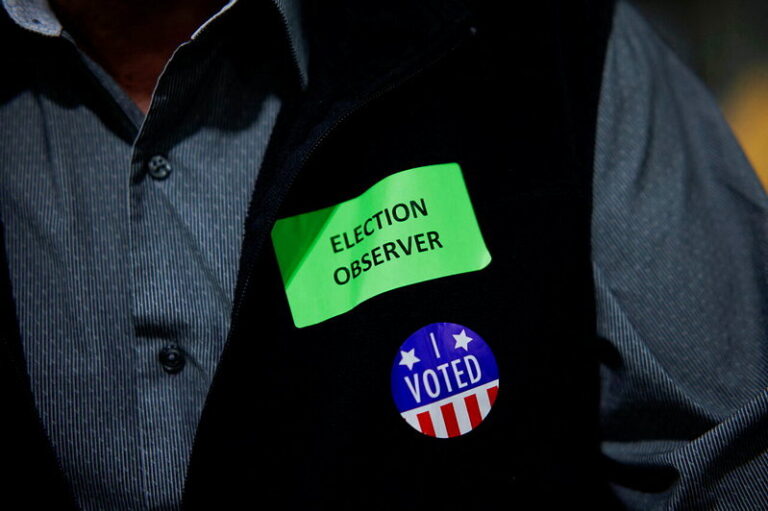
The United States will hold Congress on the 3rdmidterm elections The outcome will impact artificial intelligence (AI) stocks and Asian stock markets that rely on the AI theme. Observers reported that ifdemocratic party Comprising more than half the seats in both the Senate and the House of Representatives, it will strengthen oversight of the artificial intelligence (AI) industry and the construction of data centers. Ifrepublican party If elected, the current policy could be continued, which would be beneficial to the stock prices of Taiwan and South Korea chip makers and other AI suppliers.
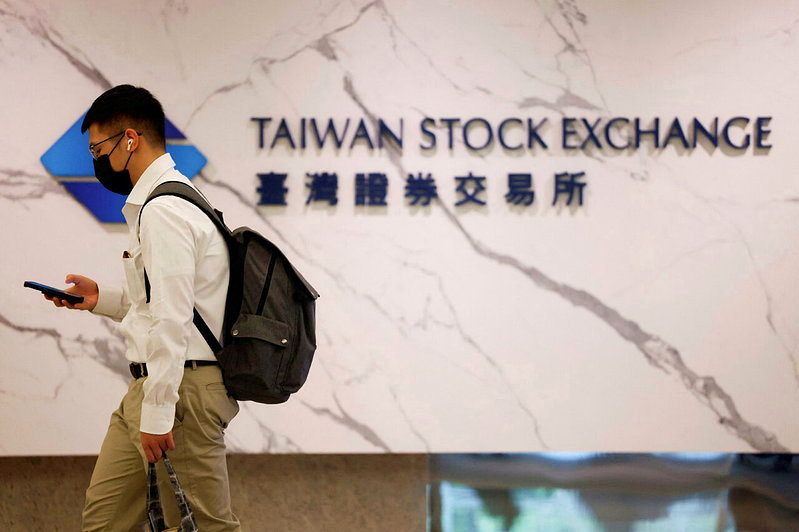
Current polls show that Democrats will control the House of Representatives, while the outcome in the Senate is less certain. The election results could reshape technology trade, clean energy, defense and other sectors, and Asian stock markets, which are dominated by AI themes, may also face new policy variables.
Strategists pointed out that in addition to technology stocks, if the Democratic Party wins big, it will be beneficial to mainland China’s clean energy industry; If the Republican Party retains control of Congress, Japanese defense industries will benefit; If the White House and Congress are controlled by different parties, it could restrict the expansion of fiscal spending and drive down US debt yields, which would indirectly benefit the stock market.
The midterm elections also raise other uncertainties, including issues like AI security, data center growth and electricity costs that have become increasingly politicized. Fund managers noted that if the Democratic Party takes control of both houses, these issues will become more urgent and AI Concepts shares could decline further. “Any situation threatening AI will depress the stock markets of Taiwan, South Korea and Japan, and may have less impact on the Chinese stock market.”
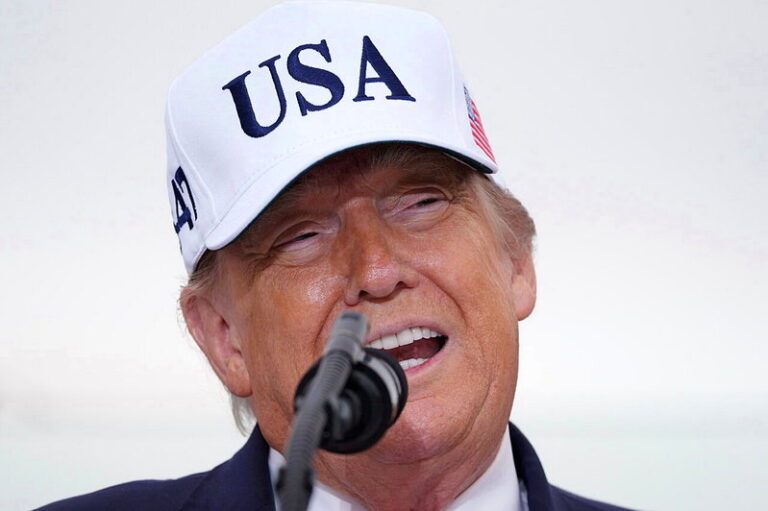
However, because Trump still has veto power and has broad powers over tariffs, immigration, and foreign policy, it will limit Democrats’ ability to change existing policies.
If the Democratic Party wins the election, the stock markets of Taiwan and South Korea will be relatively weak; Risks include that Congress will strengthen oversight of the AI industry, requiring AI developers to bear huge data center construction costs, and Congress will strengthen oversight of trade and technology policies. If the new measures drive up AI infrastructure and electricity costs and make data center development more difficult, investors will worry about the debt burdens of AI companies and turn to financial, medical and utility stocks, which will ultimately impact Asia’s supply chains.
However, Pruksa, head of Asia-Pacific equities at Aberdeen Investment Institution, said that no matter which party controls Congress, investors still expect global demand for AI computing power and infrastructure to remain sustainable, and the election results may have little impact on chip makers in Taiwan and South Korea. Stocks to watch include Taiwan’s TSMC, Hon Hai, Quanta and Delta, South Korea’s Samsung Electronics and Hynix and Japan’s Advantest.
Another potential threat is that Trump has said he will resume attacks on Iran after the election; Analysts said this could push oil prices closer to $120 a barrel and impact any potential gains after the election.
The election results may also impact Asian bond and currency markets. Analysts pointed out that if the Democratic Party wins overall, the probability of an agreement between the United States and Iran will increase, and the monitoring of AI investments will be strengthened, which may reverse the recent rise of the US dollar; In addition, if the difference between the two parties is not large, legal disputes may arise, which may also weaken the confidence of American investment institutions in the US dollar.
If the Democratic Party achieves an outright victory, it could limit further expansion of fiscal spending and ease upward pressure on US interest rates. A major Republican defeat could put heavy selling pressure on the dollar and make Trump’s decisions more unpredictable, which could be positive for the yen. BNP Paribas noted that if the government splits, US bond yields would fall and fiscal spending would be more restrained, which could be beneficial for Asian exporters and bonds denominated in local currencies.
Summary FAQ
-
Because the AI theme is an important support for stocks in Taiwan, South Korea, and Japan, if the election results lead to tighter monitoring, increased data center costs, or changes in technology policies, it may depress AI concept stocks and further affect the Asian supply chain and market sentiment.
-
If the Democratic Party takes control of Congress, regulations on AI security, data centers and electricity costs could be tightened, which would make Taiwan and South Korea’s chip and AI supplier stock prices more vulnerable; However, China’s clean energy, financial and utility stocks may gain relatively.
-
If the government is divided, fiscal expansion may be limited, and US bond yields may fall, which is more beneficial to local currency bonds; If the Republican Party loses, the US dollar may be under pressure, and the yen may benefit from risk aversion and policy uncertainty.