
AI summary
Summary of article:
This article introduces five perennial plants suitable for autumn planting, and explains the longevity characteristics and cultivation points of peony, iris, hosta, daylily and indigo.
Like all living things, plants have a lifespan, with annual plants completing their entire life cycle from seed to death within a year; Biennials, although they usually self-seed, only live two years, and perennials are expected to live longer.
The Associated Press reports that some perennials, such as delphinium, have a short lifespan; Others, such as coneflowers, have a moderate lifespan; But some can live 20, 50 or even 100 years in the right conditions, and fall is an excellent time to plant them. Here are five common perennials.
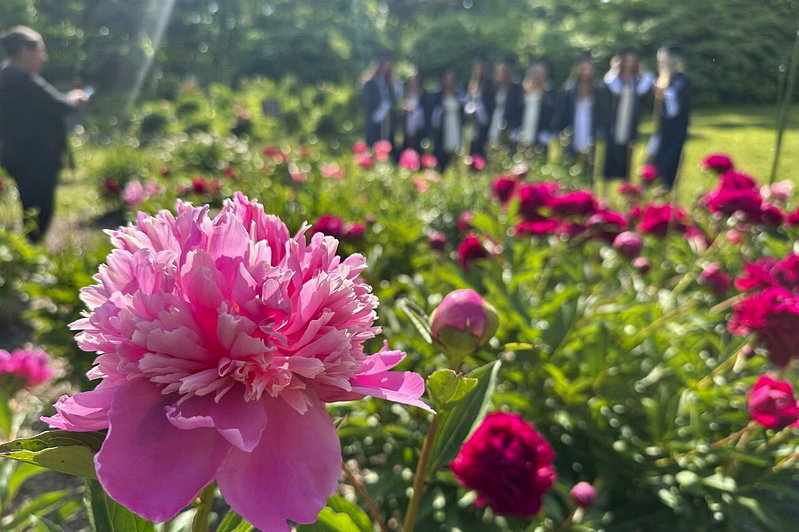
Peonies are the “super agers” of perennial plants. These woody shrubs produce large, showy flowers in spring, and although they often take a while to flourish, once established, they can easily live for 50 to 100 years, sometimes even longer. They are heirloom plants that are often passed down from generation to generation. In hardiness zones 3 through 9, plant peonies in a sunny location in early autumn to enjoy a lifetime of blooms (southern zones require afternoon shade).
Bearded iris can also be passed from generation to generation, and if properly cared for, it can even be said to be immortal. The plant grows from rhizomes planted in late summer or early autumn, and the roots spread underground, allowing new life to grow. Plants should be dug up and divided every three to five years to prevent overcrowding, which can lead to root rot and tuberculosis; Remove old or dead rhizomes before replanting the new roots in another sunny location.
In zones 3 to 9, hostas can live more than 50 years. For best growth results, they should be planted in spring or autumn in fertile, slightly acidic soil, and choose a shady location that can get some morning light. Also, you need to closely inspect and prevent pests such as slugs, and divide the plants every three to five years after they have grown for ten years.
Although each daylily only blooms for a day, plant it in fertile, well-drained soil and choose a sunny location, and these plants can often live up to 50 years with little care. Depending on the variety, it can be planted in a sunny location in zones 2, 3-9 or 11; Plant in early spring or late summer to early autumn, and divide plants every three to five years to restore plant vigor and reproduce more.
In gardens in zones 3-9, the lifespan of indigo can easily exceed 50 years. These plants grow slowly, taking up to five years to mature, but once the root system is established, their long woody roots help them withstand drought, frost and all that nature throws at them. But they don’t like to move around too much, so choose a sunny garden spot carefully and let them grow quietly.
Summary FAQ
-
Because temperatures are more stable in autumn, the soil remains warm, allowing perennial plants to develop root systems before growing the following year. For peonies, iris and other plants, this is the ideal time to establish healthy plants.
-
The article lists five types of perennial plants: peony, bearded iris, hosta, daylily, and indigo. Among them, peonies and indigo can live for more than 50 years, and some can even live for 100 years under suitable conditions.
-
Key points include choosing the right sunlight and soil, avoiding stagnant water, dividing plants regularly, and not moving plants frequently; For irises and daylilies, they need to be divided every 3 to 5 years, and for hostas, you need to pay attention to pests like slugs.