
AI summary
Summary of article:
Intel’s poor financial forecast and Anthropic’s credit concerns created a panic in AI financing, leading to FII bans and a decline in US technology stocks; Next week’s financial reports, elections, employment and oil price trends will continue to impact the market.
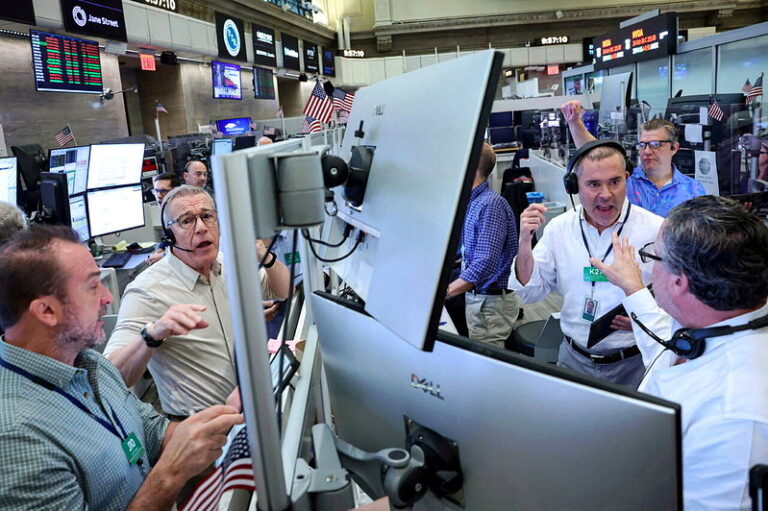
US chip stocks fell heavily on Friday,intel The outlook is bleak, with the news that Anthropic may not be able to obtain an investment-grade rating, making investors even more concerned about AI financing and returns. The Philadelphia Semiconductor Index fell 7.2%, and Intel fell nearly 29%. next week amd,Qualcomm (Qualcomm) and Apple’s financial reports, the US midterm elections and employment reports will further test market confidence.
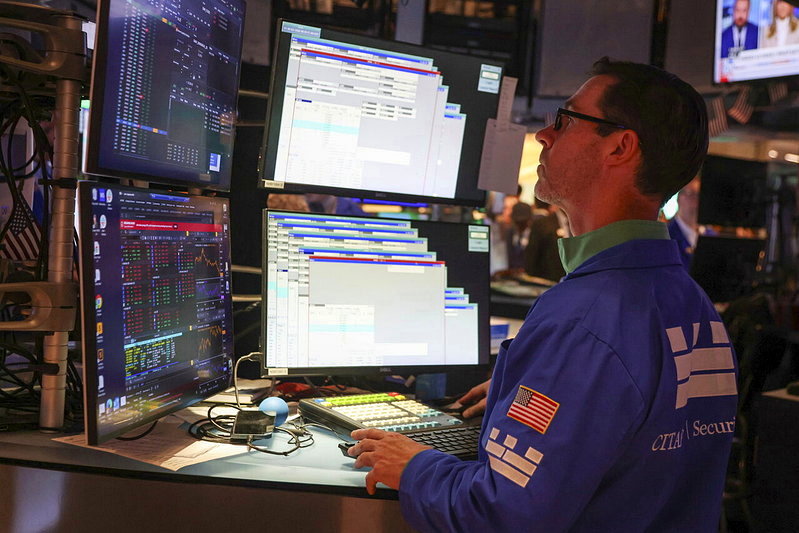
The S&P 500 index fell 1.8% to below its 100-day moving average; The Nasdaq Composite Index fell 2.9%, both posting their biggest single-day losses since June.
Intel fell nearly 29%, the company’s biggest decline in 44 years. The two major shareholders, the US government andHuida The total book value of the holdings exceeds $17 billion. Selling pressure also increased on other AI-related stocks, with TSMC ADRs falling nearly 6% and Huida falling 4.2%.
Intel’s performance reflects weak PCs and factory crashes, which doesn’t mean demand for all AI chips is slowing. However, the market is beginning to re-examine whether tight supplies can be sustained and whether customers can afford the huge purchasing expenses.
The Financial Times reported that Blackstone has informed investors that Anthropic may not be able to obtain an investment-grade credit rating after the listing. If Anthropic can only obtain a non-investment grade rating, it may be more difficult to raise funds without the support of higher-rated companies.
S&P Global Ratings also changed the outlook for Meta’s AA- credit rating to negative due to Meta’s increased AI spending and growing financial pressure.
The wave of concerns, which originally focused on new cloud players that are heavily dependent on debt, has now spread to tech giants. Alphabet, Meta, Microsoft, Amazon and Oracle have pledged a total of $3.2 trillion in future lease and purchase spending, with some contracts lasting decades. Heavy investment has turned the free cash flow of some operators into negative. The market is paying more attention to when the investment money can be repaid.
FactSet analysis reported that after Amazon and Alphabet released their financial reports, the technology giants’ profit growth in the third quarter is expected to be lower than that of other S&P 500 constituent stocks.
Matt Maley, chief market strategist at Miller Tabak, said the slowdown in the tech giant’s industry means investors may have to wait longer for the expected huge returns. Paisley Nardini, head of investment strategy at TEMA ETFs, pointed out that in the past, the market believed that increased spending reflected companies’ optimism about AI construction, but now spending money has become a pressure on stock prices.
More than a hundred S&P 500 companies, including Apple, AMD, Qualcomm and Palantir, will release financial reports next week. Whether the chip industry can come up with an approach that is sufficient to support order and profit growth will be the focus of the market.
Overall corporate profits were not weak. LSEG data shows third-quarter profits of S&P 500 companies are expected to rise 31.6%, but investors’ expectations are also high. Chris Galipeau, chief market strategist at Franklin Templeton Institute, said companies could face selling pressure if they fail to meet targets or significantly exceed expectations.
Apple again overtook Huida on Friday to become the world’s most valuable company with a market value of US$5.03 trillion, showing that investors are turning to relatively optimistic hardware companies amid concerns about AI spending. However, Bank of America analyst Vamsi Mohan also reminded that the batch launch of iPhones may affect gross profit margins, and Apple will still have to accept financial reporting oversights.