
AI focus
Summary of article:
- Main point one:If mold appears in shower stalls and bathtubs despite frequent cleaning, the caulking agent should be replaced directly.
- Point 2:Stained and smelly plastic containers, old sponges and bathroom floor mats are not suitable for frequent use.
- Key point three:Scratched non-stick utensils and deformed and stained pillows are difficult to repair after cleaning. It is recommended to change these according to the life cycle.
Many items in the home will inevitably begin to deteriorate, stain, or smell after prolonged use. However, many people may be accustomed to continue using them even after cleaning and disinfecting them in order to extend their service life as much as possible. However, some items are difficult to return to their original state even after repeated cleaning. Constant cleaning is not only a waste of money but can also create hygiene concerns when in use. The Spruce Report interviewed two cleaning experts to share 6 items in the home that should be replaced at the right time.
Enrique Gonzalez, founder of cleaning service company Seattle Green Cleaning Fairy, said the most common problem he encounters when cleaning bathrooms is clogged shower stalls and bathtubs. Getting rid of mold with caulk is an uphill battle, and the mold will almost certainly return.
Many people often try to remove mold and dark spots from caulking in shower rooms, but the results are mixed. When the results aren’t effective, many people’s first reaction is to grab another bottle of cleaner and continue scrubbing, but in reality it’s time to stop cleaning. If the caulking agent has become old, mold may reappear, meaning the caulking agent must be replaced.
Alex Varela, cleaning expert at household cleaning company Oakville Maids, said no dishwashing detergent can permanently restore stained and odor-laden plastic containers to their original condition. After some time, food coloring will appear on plastic containers. If you find that there are stains or odors on the containers even after washing, it is recommended to discard them directly. Since replacing plastic food containers every six months will add up to a lot of expenses in the long run, Varela recommends purchasing glass containers, which can save a lot of money in the long run.
Kitchen sponges contain organic matter and water that bacteria need to thrive, Varela said, so they’re a huge breeding ground for bacteria. Kitchen sponges should be replaced at least every two to three weeks, even if they are disinfected in the dishwasher or microwave after each use.
Bathroom mats are not disposable, but they cannot be used permanently. If the bathroom mat is worn out or has a musty smell even after washing, it should be thrown in the trash. Gonzalez said bathroom floor mats can be washed, and many people clean them and then use them for several years, but overlook problems like the back of the mat starting to peel, or the mat staying wet for too long.
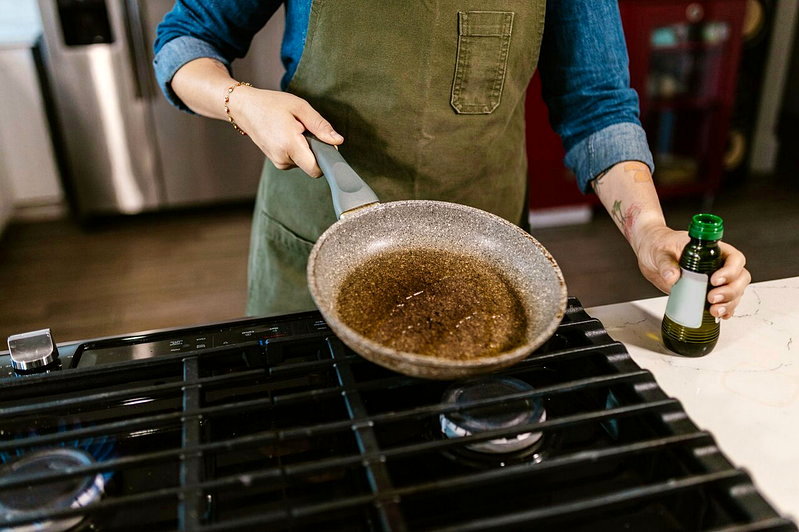
New non-stick pans are easy to clean, but cleaning scratched pans is a headache. Scratches defeat the original purpose of using non-stick pans, and scratches can breed bacteria and even give plastic substances a chance to seep into the food. Varela says that even if you’re careful when cleaning, if your nonstick coating gets scratched, it’s best to replace the utensil to be safe. Since no one likes to buy new utensils every three to six months, he recommends switching to more durable options like stainless steel, enameled cast iron or solid cast iron.