
AI summary
Summary of article:
Doctors remind us that kidney health cannot be measured by creatinine and glomerular filtration rate alone. If fine foam appears in the urine and does not dissipate for a long time, it may be a sign of proteinuria and kidney disease, and should be examined as soon as possible.
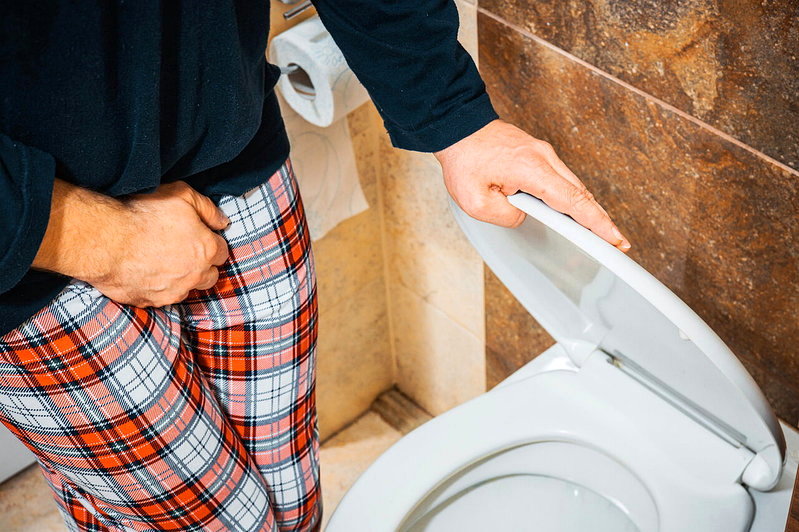
“Don’t rush to flush after using the toilet.” Doctors remind you that kidney health cannot be measured by blood tests alone. Proteinuria in urine is also an important indicator. If there are fine, dense bubbles in the urine that resemble beer foam and do not dissipate after 5 minutes, you should get a medical checkup as soon as possible for a prompt diagnosis.kidney disease Change.
Deng Zicong, a nephrology physician at Hualien Tzu Chi Hospital, said there are two main indicators to assess kidney function. One is to draw blood to test creatinine, which is translated into glomerular filtration rate; The second is to check for proteinuria through a urine test. Even if kidney function values seem normal, as long as there is a large amount of proteinuria, it may mean that the kidneys have been damaged. There will also be an increased risk of future worsening of kidney function and progression to dialysis, and the risk of cardiovascular diseases such as heart failure and stroke may also increase.
He shared that an 80-year-old diabetic grandmother had long-term control of glycated hemoglobin less than 7% and had no proteinuria in the past. However, during a routine checkup, he discovered that his daily urine protein excretion suddenly increased by more than 3.5 grams.
After being referred to the nephrology department for evaluation by a cardiologist, it was found that my grandmother did not have diabetic retinopathy, and the course of the disease was not consistent with typical diabetic nephropathy. After further kidney biopsy, he was diagnosed with glomerulopathy. Through precise adjustment of drug treatment, proteinuria gradually normalized and renal function successfully stabilized.
Deng Zicong explained that when abnormal kidney function or proteinuria is detected, the first task is to find out the cause. First, eliminate reversible factors such as urinary tract obstruction caused by stones, prostate hypertrophy, and acute kidney injury caused by the intake of anti-inflammatory analgesics. Kidney problems cannot be solely attributed to diabetes.
How to observe urine, Deng Zicong said that the short-term bubbles produced by the urge to urinate usually disappear within a few seconds; If fine, dense bubbles that persist for a long time appear, you should be more cautious, but still need to confirm through a urine test. The public is reminded to pay attention to the five key warning signs of “bubble, water, high, bad and tired”, which include foamy urine, swelling, high blood pressure, anemia and fatigue.
Deng Zicong said that there are currently a variety of drugs that can help stabilize kidney function, and some of them are even covered by health insurance. People should follow doctors’ orders and get regular blood and urine tests. Eligible people over the age of 30 can access the National Department of Health’s Adult Preventive Health Care Service to check creatinine and urine protein. They can also check relevant data through the “National Health Insurance Quick Access” app of the National Health Insurance Department to quickly understand kidney health.
Summary FAQ
-
If fine, dense bubbles like beer foam appear in the urine that do not disappear even after 5 minutes, you should be alert, as this may represent proteinuria and requires further urine testing to confirm.
-
Because creatinine and glomerular filtration rate can only reflect part of kidney function, if a large amount of proteinuria has already occurred, it may still represent kidney damage, and the risk of future decline in kidney function, dialysis, and heart disease will increase.
-
The first thing to do is to find out the cause, and first to eliminate reversible factors such as urinary tract obstruction caused by stones, prostate hypertrophy, and acute kidney injury caused by anti-inflammatory and analgesic drugs. You cannot directly blame diabetes for all problems.