
AI summary
Summary of article:
Villagers cut holes to fix floating balloons on the dam road of Yulong Lake Reservoir in Luxian County, Sichuan Province for a wedding banquet. The Water Conservancy Bureau halted the incident soon after it was discovered and called for demolition and grouting, stressing that festive activities should not threaten the safety of the dam.
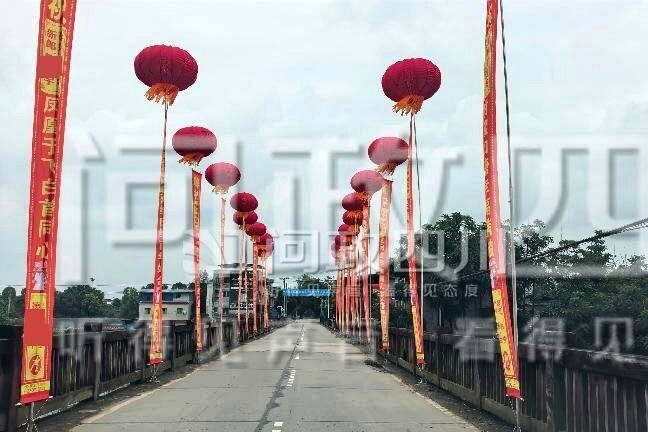
“Is it illegal to drill holes in the dam road of Yulong Lake Reservoir and plant floating balloons at will?” Recently, some netizens reported through the “Sichuan Provincial Online Mass Work Platform – Questions to the Government in Sichuan” that when they went to visit relatives near the Yulongdang Lake Reservoir in Long County, Longzhou City, they met nearby residents to get married. “They made dozens of holes on the dam road and released a lot of festive air balloons. Will this cause damage to the dam and create safety hazards? The relevant departments should take care of it.” In response, the Sichuan Luxian Water Conservancy Bureau said that after inspectors found out, they immediately stopped the operation and ordered immediate removal.
“There are about 20 balloons. An iron plate base is fixed under each balloon. At least two holes are drilled under each base and tightened with screws,” Xinhuang said. The netizen questioned, “Does drilling so many holes follow the rules? Does it need to be approved? Will arbitrary drilling of holes make the dam unstable and cause safety issues?”
In response, the Luxian Water Conservancy Bureau responded that on the afternoon of October 4, villagers held a banquet near the reservoir dam to create an atmosphere for the banquet. Villagers privately dug holes and placed floating balloons on the road to the second auxiliary dam of the Sanxikou Reservoir (Yulong Lake Reservoir). After the reservoir dam inspection personnel discovered it, they immediately stopped the operation and ordered it to be destroyed immediately.
The Luxian Water Conservancy Bureau said that in accordance with Article 13 of the “Reservoir and Dam Safety Management Regulations”, which prohibits “blasting, drilling, excavation, mining, sand dredging, soil borrowing, grave repair and other activities that endanger dam safety within the scope of dam management and safety”, it criticized and educated drillers and required them to grout the drilled parts.
The report states that while it is understandable to create a festive atmosphere for wedding receptions, creating any atmosphere cannot be at the cost of public safety.
According to the report, drilling holes on the road of the Yulong Lake Reservoir Dam to fix floating balloons may seem like a “minor matter”, but it actually touches the dam’s safety red line. Dam safety is concerned with the safety of life and property of people downstream. Any drilling, soil extraction and other activities may affect the stability and leakage prevention of the dam body. The relevant departments immediately stopped, ordered dismantling and grouting treatment, which is worthy of recognition. However, they need to strengthen daily inspection and legal promotion to build consensus that “activities that endanger dam safety are prohibited within the scope of dam management.”
Summary FAQ
-
In order to create a festive atmosphere for the wedding banquet, local villagers secretly dug holes on the road to the Yulong Lake Reservoir, the second auxiliary dam of the Sanxikou Reservoir, and blew up festive balloons. As a result, the outside world raised questions and reports about the safety of the dam.
-
After the reservoir dam inspection personnel discovered this, they immediately stopped the related operations and ordered the immediate removal of the balloon. At the same time, he criticized and educated drillers and sought to grout drilled sections to reduce safety risks.
-
Because activities that endanger dam safety are prohibited within the scope of dam management and safety, such as drilling and soil extraction, which may affect the dam’s stability and seepage-resistance; Even wedding banquet arrangements cannot be made at the cost of public safety.