
AI summary
Summary of article:
Following Lula’s comeback victory, market expectations for Brazilian fiscal consolidation were disappointed, and the Tokyo-listed Brazil ETF fell 13%; How he balances future social welfare spending and deficit reduction will affect investment confidence.
brazil President Lula unexpectedly won the election in a surprise upset, and markets’ expectations of a right-wing party coming to power to restructure finances were disappointed. A Tokyo-listed Brazilian stock ETF fell 13%. Whether Lula can balance social welfare spending and curb the rising deficit and debt will be key to stabilizing investor confidence.
Bloomberg report,Japan The Next Funds Ibovespa-linked ETF, which tracks the Brazilian stock market, fell 13% in early trading on Monday, its biggest decline since March 2020.
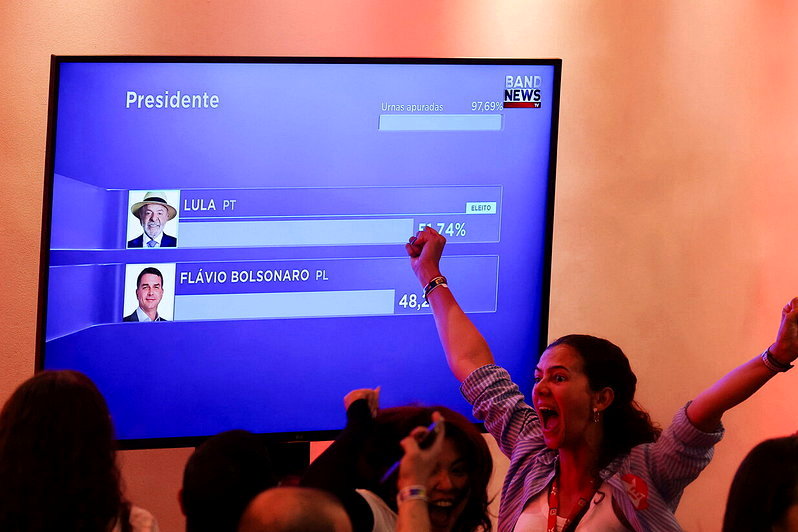
The Brazilian electoral court announced on Sunday that Lula had defeated Flavio, winning 51.76% of the vote.bolsonaro (Flavio Bolsonaro), elected president four times. Bolsonaro is the eldest son of former President Bolsonaro and had led the first round of voting on October 4.
Investors had earlier bet on a Bolsonaro victory, expecting he would be more aggressive than Lula in cutting spending and improving finances, and poured money into the Brazilian market. Although Bolsonaro has not yet proposed a full spending cut plan, traders are still hopeful he can reverse Lula’s policies that focus on stimulating consumption and boosting growth.
Market expectations were dashed after Lula won the elections. Brazil’s rising deficit and debt have kept interest rates high, troubling not only investors but also increasing the burden on families. Personal loan default rates have reached the highest level in nearly 20 years.
Lula has promised to adjust finances, but has not yet specified specific methods, and has also said that he will not sacrifice social policies to meet the needs of financial markets. How to balance the two will be a big test for the new term.
The Brazilian economy is not completely unsupported. During Lula’s third term, economic growth repeatedly exceeded economists’ forecasts, and the unemployment rate fell to 5.4% in July, near historical lows. He also raised the basic wage at a rate greater than inflation, and adjusted the tax system to reduce the burden on low- and middle-income people.
However, inflation and rising costs of living still prevent many people from feeling improvements in their lives. Before the election, Lula also took steps such as increasing family subsidies and promoting the refinancing of consumer loans. How to support the situation in the future will also be examined by the market.
Creomar de Souza, founder and CEO of political risk consulting firm Dharma, reminded that although Lula was re-elected, the operating environment of the system is not stable, and he must seek cooperation from other political parties. The key to reassuring investors is whether it can get support from Congress and improve finances.
Summary FAQ
-
Investors had originally bet on the right-wing winning the election and were expecting more aggressive spending cuts and fiscal reform. Following the upset of Lula’s victory, the market believed the pace of fiscal consolidation could slow, causing the Tokyo-listed Brazil ETF to fall 13%.
-
The market was originally optimistic about a victory for Bolsonaro’s camp, expecting that Bolsonaro would focus more on fiscal discipline, lower spending, and improving deficit and debt problems than Lula. Therefore, money was already pumped into Brazilian assets.
-
Lula should maintain social welfare, subsidy and growth policies while proposing specific fiscal consolidation plans, and also seek cooperation from Congress and other political parties to stabilize the deficit, debt and investor confidence.