
AI summary
Summary of article:
Because its semiconductor factories rely on foreign-made AGVs, Intel applied to the FCC for an exemption from the robot ban and warned that any disruption would affect US chip production capacity, and TSMC and other companies could also be affected.
intel applied to the US Federal Communications Commission (FCC) for an exemption from a recently implemented ban on foreign-made advanced robots, saying US semiconductor manufacturing depends on this type of special-purpose equipment and must ensure its continued use.TSMC (2330), micron andSAMSUNG Similar waivers may also be required.
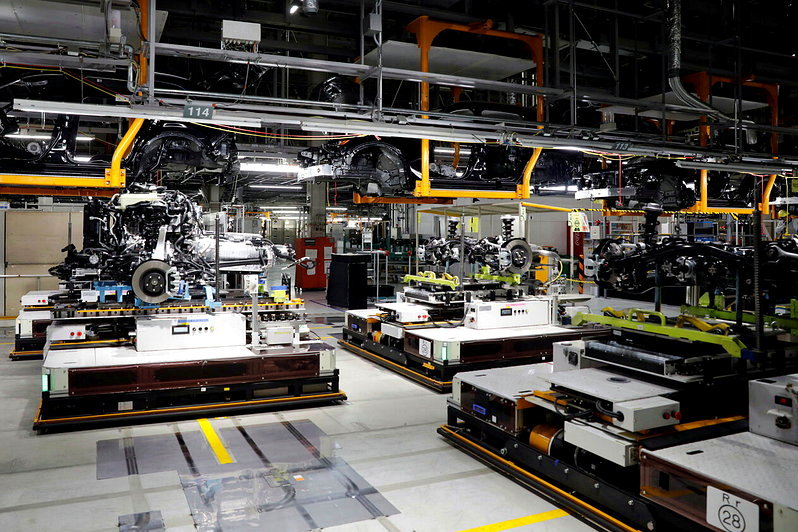
Intel’s application documents made public on Monday show the company is concerned that automated guided vehicles (AGVs) used in factories would fall within the scope of a broader ban on foreign-made advanced robots. These vehicles transport materials within semiconductor plants.
Intel said the continued operation of these robots is “critical” to US national security. There is currently no certified U.S.-made replacement equipment that meets the company’s stringent requirements, and it will take years to replace existing machines. Once operations are disrupted, it “will immediately impact Intel’s chip production capacity in the United States.”
In July, the FCC added foreign-made advanced robotic devices to the “covered list.” Like Wi-Fi routers, drones and other devices, imports are restricted due to national security risks.
Although the ban does not affect devices that have been purchased and are in use, it does restrict operators from updating the hardware, software and firmware of existing devices. Companies whose products are subject to the ban can apply for conditional exemptions from the FCC and the Department of Defense.
Intel said that while it is unclear whether updating automated guided vehicles would violate the rules, it applied for the exemption “out of an abundance of caution to ensure the continued operation of these specific AGVs.”
The company stated that routine maintenance carried out to extend the life of these main handling equipment will not increase the safety risks and the main objective of the current controls is to prevent such risks.
Japan’s Murata Machinery and Daifuku are the main suppliers of this type of equipment, with South Korean and Taiwanese counterparts also trying to enter the market.
In addition to Intel, TSMC, Micron, GlobalFoundries, Samsung Electronics and Texas Instruments all operate chip plants and may require similar exemptions. The report did not indicate whether these companies had applied for or were affected by the ban.
The FCC’s control list has become an important tool for the US government to promote local technology investment. The government is using the FCC to encourage companies to fully adopt American-made equipment and technology rather than using other import controls.
In the past, the FCC primarily enforced the ban on specific companies such as Huawei, ZTE, and security and anti-virus software company Kaspersky; In the past year, this has included banning entire categories of products, no longer just targeting companies deemed untrustworthy.
There is precedent for the type of exemption Intel has applied for. Router maker Netgear was allowed to sell its products in April after the Defense Department determined that its products did not pose a threat to US national security. AT&T, Verizon and broadband industry groups have also been approved to update home Wi-Fi router hardware.
Intel shares closed up 2.4% on Monday.
Summary FAQ
-
Intel said automated guided vehicles at semiconductor factories are critical equipment for moving materials and they would not be able to continue operating if restricted by the sanctions. The company believes there is currently a shortage of US alternatives that meet the requirements, so it applied for a waiver earlier to ensure the production line would not be disrupted.
-
The FCC has added Wi-Fi routers and drones as well as foreign-made advanced robots to its control list and banned their import. The ban will not affect devices that have been purchased and are being used, but hardware, software and firmware updates will be restricted. If necessary, conditional exemptions may be applied.
-
Chip factories such as TSMC, Micron, GlobalFoundries, Samsung Electronics and Texas Instruments may also need similar exemptions as they also rely on in-factory handling and automation equipment, the report said. Whether this has been applied for or affected is not clearly stated in the report.