
AI summary
Summary of article:
Research shows that most travelers visit the toilet before boarding a plane, but urology experts remind that intentionally drinking less water or urinating frequently can increase anxiety and bladder sensitivity. You should maintain a normal balance between hydration and toileting while flying.
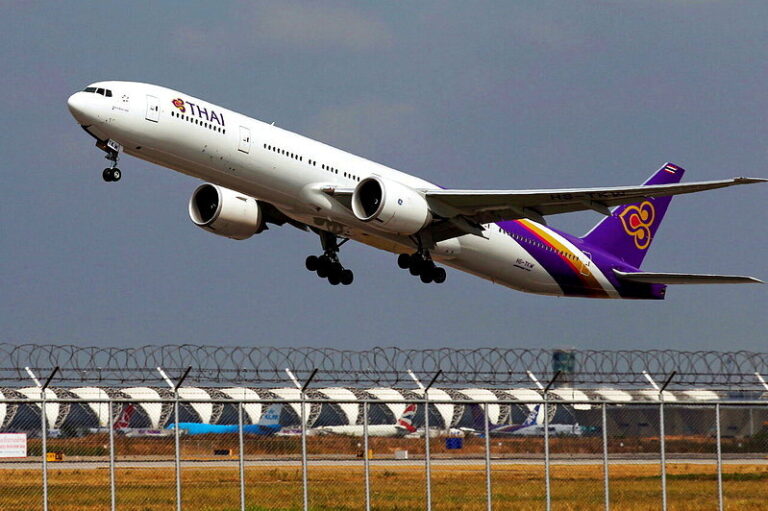
Depending on your personal travel habits, you often need to do a lot of preparation before you fly, including checking in, choosing your seat, purchasing drinks and snacks at the terminal, and making sure you can board the plane on time. But air travel experts say it’s best to skip one part of pre-trip preparation: using the restroom before boarding “just in case.”
“travelandleisure.com” reported that in September this year, medical travel insurance company AllClear released the results of a study that explored how travelers can maintain healthy bladder habits during travel. The study found that almost 73% of British passengers (63% of men and 81% of women) visit the toilet before taking off, even if they do not feel the urge to urinate. 76% of travelers above 55 years of age have this habit; 62% of passengers are aged 18 to 24. Additionally, 59% of passengers said they would deliberately avoid drinking water or other liquids to avoid the need to use the toilet on the plane.
Although it may make sense to use the bathroom first “just in case,” doing so may do more harm than good because it can aggravate the body’s normal physical sensations; If this is done repeatedly, it can lead to the body developing a habit of urinating even when there is no actual need.
Grigorios, consultant urology surgeon “Anxiety is a factor that strongly increases physical sensations,” says Kyriazis. “People pay more attention to their bladder when they feel uncertain about their opportunity to go to the bathroom, such as when they’re boarding a plane, encountering turbulence, or when the seat belt prompt comes on. Emotions they barely notice at home may suddenly feel more urgent than the need to go to the bathroom. The stress response can also increase the urgency of urination in some people, as can changes in daily routine. For example, travelers may wake up before a morning flight. Drinking several cups of coffee, taking a large bottle of water suddenly, or going to the bathroom frequently can also increase the fluid loss in the body.
Kiriazis said it’s OK to go to the toilet occasionally, but if there is almost no urine in the bladder, but frequent trips to the toilet are necessary, it can reinforce a habit: When the amount of urine in the bladder is still small, the body gradually becomes accustomed to urinating, making the normal physical feeling more like an urgent need to urinate.
Kiriazis reminded that passengers should not intentionally avoid drinking water on the day of travel or flight. Doing so may cause headaches, dizziness, fatigue, constipation, dry mouth and concentrated urine, he said. “Deliberately controlling water intake to avoid going to the toilet is not equivalent to bladder control. This approach merely replaces the fear of needing to go to the toilet with the real harm caused by dehydration; and increased concentrations of urine can make the bladder more sensitive, not less sensitive.”
Flight attendants recommend that passengers drink bottled or filtered water in small amounts and frequently during the flight to maintain adequate hydration. Kiriazis recommends drinking water as usual and only going to the bathroom when you really need to. Don’t ignore the feeling of needing to urinate, but don’t run to the bathroom too often. “The ideal thing is to maintain balance: emptying your bladder in a comfortable, regular manner, and replenishing fluids appropriately.”
Summary FAQ
-
Since many people are worried about the inconvenience of going to the toilet on a plane, they empty their bladder before boarding the plane. Research shows this habit is quite common among British travellers, but experts say it is nothing to be too concerned about.
-
Deliberately drinking less water can cause headaches, dizziness, fatigue, constipation, dry mouth and more concentrated urine. Experts point out that this is not true bladder control, but simply replaces the worry of toileting with the hassle of dehydration.
-
Experts recommend filling water in small amounts and multiple times as usual, and visiting the toilet when you really feel the need to urinate. Do not go to the toilet frequently and do not deliberately hold your urine. The ideal is to maintain a comfortable, regular balance of drainage and hydration.