
AI summary
Summary of article:
In response to the expiration of the federal increased premium subsidy, at least 11 states will subsidize European health insurance premiums with state funds, reducing the burden on some policyholders and stabilizing the number of policyholders in 2027.
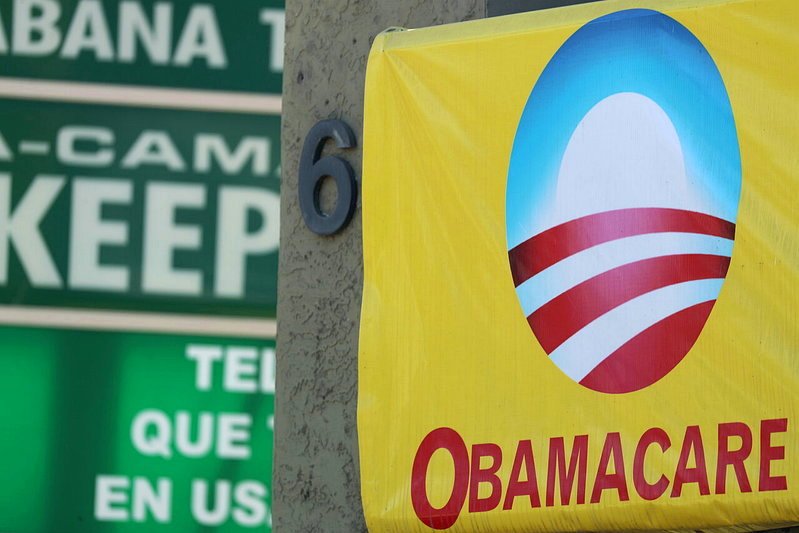
In 2027, health insurance in some statespremium price There will be a little less, there are at least 11 states”Auji Health Insurance (Obamacare) provides financial subsidies to reduce policyholders’ monthly premium burden; Eligible people should be able to see this measure when they apply for insurance during the open enrollment period this year.
Consumer News & Business Channel (CNBC) reported that the move was made in response to the expiration of federal enhanced premium subsidies in 2025. The expiration of this measure left millions of health insurance plans purchased through the “Affordable Care Act” (ACA) facing premium increases. States that offer financial aid include California, Colorado, Connecticut, Maryland, Massachusetts, New Mexico, New Jersey, Rhode Island.Vermont Virginia and Washington State.
Most states will continue the policies they implemented in 2026 in response to the end of federal subsidies, but Rhode Island and Virginia will begin their plans in 2027, while other states like California will expand eligibility to more people.
Health policy experts say state funding could help prevent more people from dropping coverage after a sharp decline in enrollment this year.
Although the enhanced federal premium subsidies expire at the end of 2025, some federal subsidies, the so-called “Premium Tax Credit” (Premium Tax Credit), are still in effect; And the funds provided by these 11 states are in addition to the federal subsidies that policyholders may receive.
The amount of financial aid varies from state to state, and the eligibility criteria also vary from state to state. Experts say many state programs are focused on low-income people. Lewis Norris, an analyst at HealthInsurance, an insurance referral website, said this is to make insurance premiums more affordable for some people. If you’re eligible for aid from your state, this will definitely be a small supplement.
States that offer additional premium subsidies operate state-level health insurance marketplaces, not HealthCare.gov. Health policy experts point out that most of these states are governed by Democrats. Most of these states have already provided premium subsidies to state residents in 2026, while Rhode Island and Virginia are new additions to the list in 2027.
According to data from the non-profit Kaiser Family Foundation (KFF), after the end of the increased premium subsidies implemented from 2021 and the number of ACA enrollees reached a new high, the average premium of “Eurohealth” will increase by 58% in 2026, from 113 yuan last year to 178 yuan.
Data released by the US Department of Health and Human Services (HHS) in June showed that by February 2026, the number of people insured by the ACA had dropped to 19.2 million, down 13% from 22.1 million in February 2025. KFF analysis reported that there are signs that the number of uninsured persons has declined further since then; Health policy experts generally attribute this to disruptions in intensive subsidies, which have increased the burden on people.
Colorado Governor Jared Polis has pointed out that Colorado is stepping up where Congress has failed to do its job. Despite losing the enhanced premium tax credit, the state is still trying to keep health insurance prices down and make health care more affordable for residents.
Not everyone enrolled in ACA plans is eligible for financial aid in their state. New Mexico is the only state that will fully replace the federal enhanced premium subsidies for ACA policyholders in the state in 2027, a continuation of a policy implemented in 2026. Although the number of people insured under the ACA fell nationwide in 2026, New Mexico was the only state to see an increase, with a 14% increase between 2025 and 2026, according to KFF data.
Summary FAQ
-
A total of 11 states, including California, Colorado, Connecticut, Maryland, Massachusetts, New Mexico, New Jersey, Rhode Island, Vermont, Virginia, and Washington.
-
The main reason is that the federal enhanced premium subsidies will expire in 2025, resulting in premium increases for those purchasing insurance through the ACA; The state government will provide additional financial subsidies to reduce the monthly payment burden and prevent more people from surrendering their insurance.
-
New Mexico is the only state that will fully replace the federal increased premium subsidies in 2027 and will continue the policy through 2026; KFF also reported that the state is one of the few states in the United States where the number of uninsured people is still increasing.