
AI summary
Summary of article:
New York City plans to require delivery platforms to install rest areas and parking and charging facilities to address problems such as illegal parking of delivery motorcycles, inadequate rest for delivery personnel, and the safety of lithium battery charging.
On East 11th Street between First Avenue and Avenue A in Manhattan’s East Village, hundreds of delivery motorcycles have often been parked on the side of the street in recent years, causing discontent among residents. City Councilor Harvey Epstein plans to introduce a proposal on the 12th that would require third-party food delivery platforms to set up rest areas and provide restrooms, motorcycle parking lots and charging facilities for food delivery drivers.
The city government has set up bicycle parking areas and hired contractors to strengthen cleanliness; The city police have also seized illegally parked vehicles on several occasions. But Epstein pointed out that these measures still don’t give delivery workers a safe place to park, nor do they solve the problem of resting while waiting for their order. According to statistics, there are estimated to be around 80,000 motorcycle delivery drivers in the city, the majority of whom are working-class immigrants. Parking and charging are mainly handled by ourselves.
Epstein believes that since food delivery platforms rely on these vehicles to operate, they should bear the associated costs. He pointed out that Amazon and electric bicycle company JOCO already have indoor spaces for workers to rest and park at night, which can be used as a reference for the delivery industry. If the bill takes effect, the city’s Consumer and Labor Protection Bureau would have to work out details, including the number and location of the facilities, within a year.
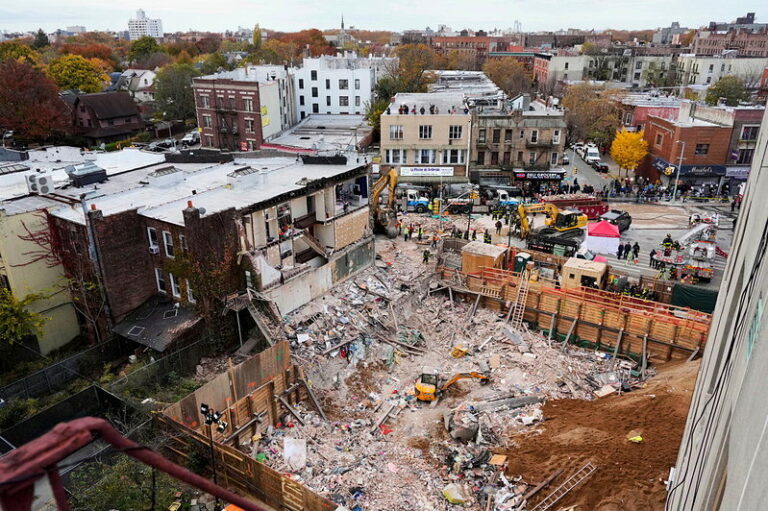
Charging safety is also a major consideration. According to municipal fire department data, so far this year, nine people have died and 71 have been injured in lithium-ion battery fires in the city.bronx An 11-year-old boy died in an apartment fire last month, which was confirmed to have been caused by a lithium-ion battery. Lithium-ion batteries were also found at the site of a fire in Brooklyn’s Sunset Park that killed six people, but authorities have not yet confirmed whether the batteries were the cause of the fire.
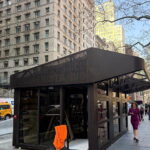
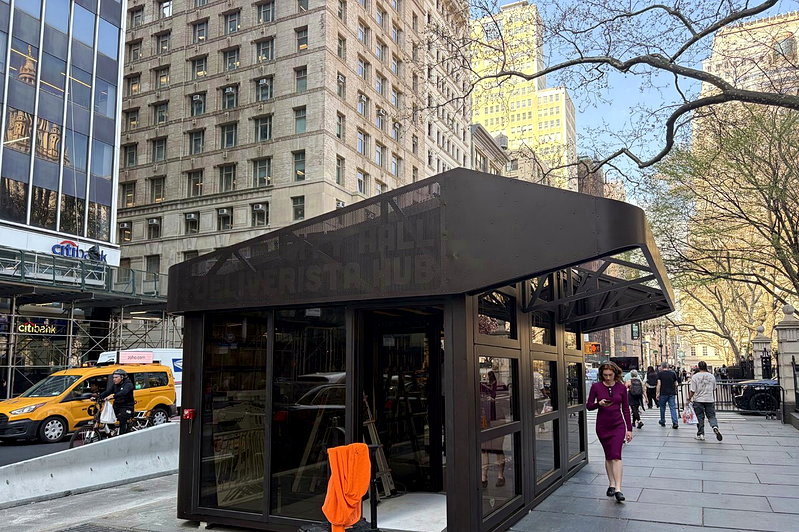
In April this year, the Mandani government opened the city’s first delivery service station near City Hall, providing rest areas and charging facilities. Ligia Gualpa, executive director of the Workers’ Justice Project, said that although service stations are actively used, there is currently only one in the city.
According to the Municipal Transportation Bureau, the city government will use 3 million yuan in state funding to install 25 charging stations in the city from the end of next year. During the Biden administration, it also announced that it would provide 25 million yuan to build battery charging facilities in public housing, but the city government has not yet received this money.
The mayor’s spokesperson said the city government will review the bill and work with the city council to strengthen protections for delivery workers, and delivery platforms should also provide more support.
Summary FAQ
-
The proposal expects delivery platforms to set up rest areas, provide restrooms, motorcycle parking lots, and charging facilities, so that delivery staff can have a place to rest while waiting for orders, and also reduce the risk of illegal parking and charging.
-
In recent years, hundreds of delivery motorcycles have often been parked on East 11th Street, affecting the road order and living environment. Despite the city’s cleanup and police enforcement, the problem has not really improved.
-
Lithium-ion battery fires across the city have caused numerous casualties, with nine people dead and 71 injured so far this year. Delivery workers mostly rely on themselves to recharge their batteries. Without safety features, the risk of fire will continue to increase.