
AI summary
Summary of article:
Huida CEO Huang Renxun has been involved in extramarital affairs and suspected spying scandals. Some bearish analysts believe that political manipulation may be behind this, and if Huang Renxun is forced to resign as a result, it could be a mistake for Huida and its stakeholders.
Huida (Nvidia) CEOJen-Hsun Huang An extramarital affair was revealed, and the affair partner was suspected of being a Chinese female spy. The pressure to step down was increasing day by day. A semiconductor analyst on Wall Street has dismissed conspiracy theories, speculating that a political plot against Huang Renxun is behind the incident. Although he is bearish on Huida stock, he believes that forcing Huang Renxun to withdraw at this time “would be a mistake for everyone.”
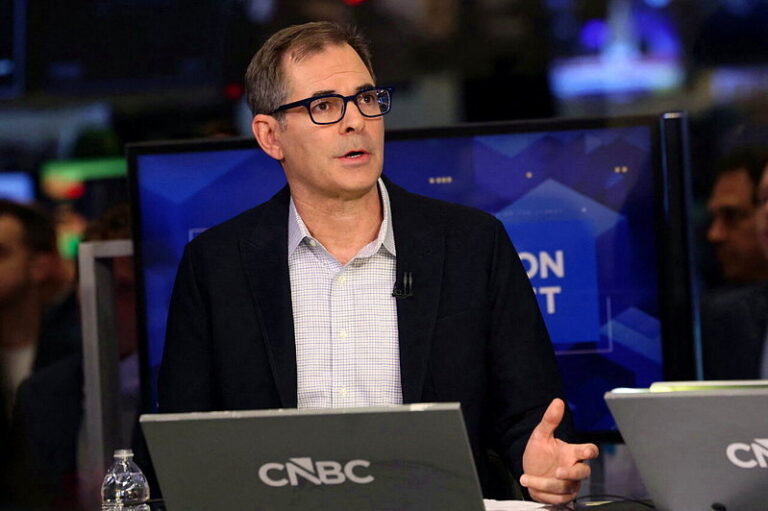
MarketWatch reports that 73 Wall Street analysts are currently tracking Huida, and only one of them dares to recommend “sell” on this artificial intelligence (AI) star stock. That person is Seaport Research semiconductor analyst Jay Goldberg. He said that if the scandal ultimately forced Huang Renxun to step down as CEO of Huida, “it would be a mistake for everyone involved.”
Goldberg said in a note to clients that at a time when Huang’s ties to China are under intense scrutiny, “an organized political campaign” is targeting Huang, the CEO of a highly significant company in the AI industry.
He said the timing was interesting. The media revealed that Huang had become the target of Chinese espionage operations. The suspected spy was Alice Huang, a former director of Singapore-based cloud services provider MegaSpeed. Huang has now admitted that he had an extramarital affair with Huang’s daughter, who has been described by US intelligence agencies as a Chinese spy, after The New York Times published a report in late October. HUIDA has launched an investigation into Huang being the target of foreign espionage.
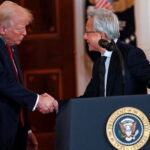
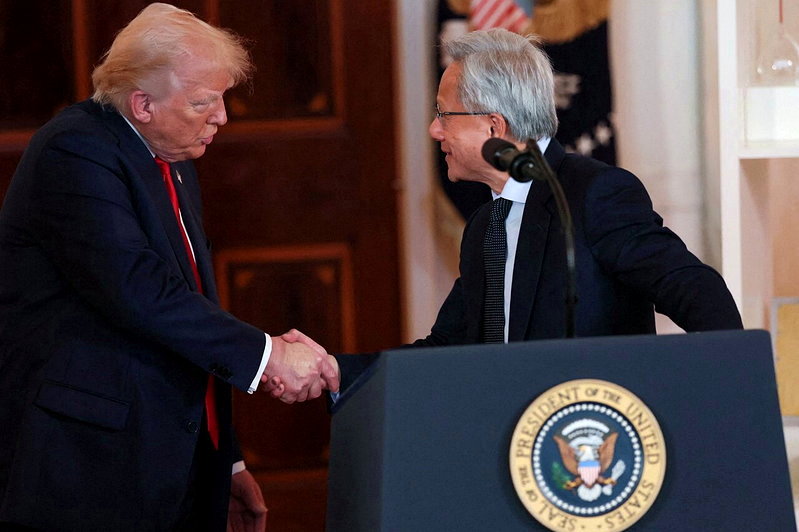
Over the past two years, Huang has remained very close to the Trump administration and has accompanied Trump to many important events, including meetings with Chinese President Xi Jinping. Huang has frequently visited Washington to persuade the Trump administration to ease restrictions on the sale of Huida chips to China. Trump later changed his tune and said that Huida’s advanced H200 chips could be sold to China, but the US government would have to share the profits.
But Goldberg believes Huang’s efforts are beginning to backfire. “Over the past year, there have been numerous reports from Washington about growing competition and resentment over Huang’s relationship with Trump,” he said.
He said it was unknown whether reports that “some officials in Washington are angry at Huang Jen-hsun’s close ties to the White House” were accurate; But if these reports were true, he believed “there could be further negative news.”
Goldberg said Huang and Huida are caught in a “political environment” that could lead to their ouster, which would create a “significant problem” for Huida.
Goldberg emphasized that he did not completely agree with what Huang did, but that he did not see Huang as “someone within Huida who was prepared to succeed”. He also said that Huida’s flat management structure means that dozens of people report directly to Huang Renxun. Although this arrangement can improve the efficiency of decision making, it “requires him to participate in every major decision within the company.”
Summary FAQ
-
The main controversy is that Huang Jen-hsun is accused of engaging in an extramarital affair, and the person involved in the extramarital affair is suspected of being related to a Chinese espionage case, which has led outsiders to question that this incident is not only a matter of personal morality, but may also involve political and national security operations.
-
The idea was raised by Seaport Research semiconductor analyst Jay Goldberg. Although he owns Huida’s stock, he believes that forcing Huang Renxun to step down at this time may be detrimental to the company, shareholders and all parties in the industry.
-
Goldberg pointed out that there is no candidate within Huida who can take over immediately, and the company’s management is highly dependent on Huang Renxun’s personal involvement in major decisions; If he is forced to step down, it could create chaos in governance and impact HUIDA’s operations.