
AI summary
Summary of article:
After CORSIA is officially launched, the aviation industry will face serious shortage of qualified carbon rights and rising cost pressure. If supply is inadequate, the difficulty of compliance and rent burden may increase.
The world’s first international carbon reduction mechanism is about to be implemented which will require airlines to pay for carbon emissions. However, industry players and market analysts have warned that the global aviation industry faces the dilemma of “not being able to buy carbon rights to meet its obligations”, due to an extreme shortage of eligible carbon offsets in the market.
Reuters reported that although the aviation industry is not the single industry with the highest total emissions in the world, it is one of the fastest growing sources of carbon emissions, and the current carbon reduction impact of sustainable aviation fuel (SAF) is still limited.
COP31united nations climate summit The event, which started in Antalya, Turkey on the 9th, has become the focus of debate on how to raise climate adaptation funds for poor countries, and carbon reduction in the transportation sector is a major issue.
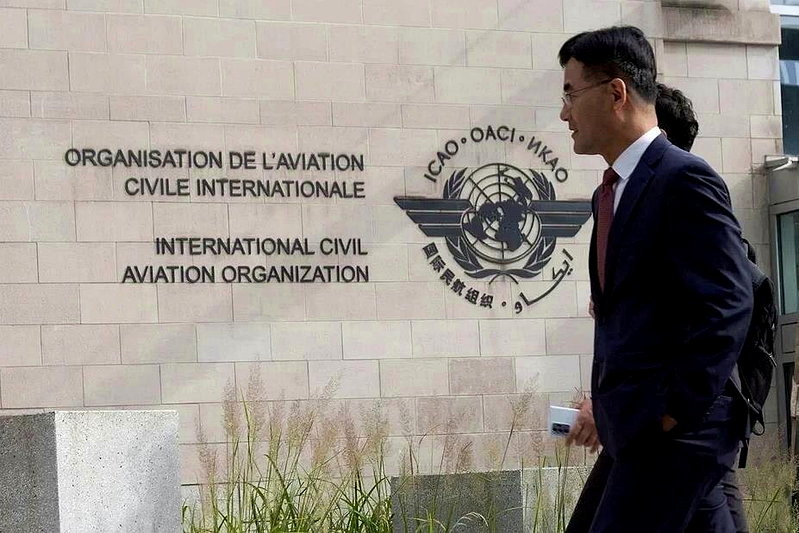
The first phase (2024-2026) of the “Carbon Offset and Reduction Scheme for International Aviation” (CORSIA), a carbon reduction mechanism promoted by the International Civil Aviation Organization (ICAO), has been launched, which will require operators to maintain total annual carbon emissions at 85% of 2019 emissions. If airlines exceed their carbon reduction targets, they must compensate by purchasing carbon rights or adding sustainable aviation fuel.
Today, approximately 130 countries have signed up for CORSIA Phase 1. Airlines under the jurisdiction of signatory countries must purchase corresponding carbon credits (commonly known as carbon rights) before the end of January 2028 to meet the offsets, otherwise they will face higher fines.
Chris Leeds, head of carbon market development at Standard Chartered Bank, estimates that the first phase of the mechanism will generate demand for up to 200 million metric tons of carbon rights. However, International Civil Aviation Organization (ICAO) data and more than 20 industry insiders estimate that the current supply of qualified carbon rights on the market can only meet 25% of the total demand, and only 11 countries in the world have the capacity to supply qualified carbon rights to CORSIA.
Having experienced several false “greenwashing” scams, CORSIA has set extremely strict standards for identifying eligible carbon rights. Hanna Haumann, director of commodity trading giant Trafigura, pointed out that only 5% of the existing historical inventory of carbon rights meets the strict official limits of CORSIA and some countries.
Even more troublesome, for carbon rights to be legally transmitted in Corsica, they must not only be approved by ICAO’s Technical Advisory Body, but also guaranteed by the government of the source country, confirming that they can be used in the international market, and “related adjustments” must be made to prevent double counting of carbon offset benefits.
Reuters reviewed the sustainability and financial reporting documents of the world’s 10 largest mainstream aviation groups and found that most of them did not disclose the specific number of compliance carbon rights required or received.
United Airlines only said that the number of eligible units was limited; American Airlines pointed to high uncertainty of supply and pricing; Singapore Airlines said it has begun purchasing eligible units, but did not disclose the number; Air France-KLM said it had not yet started purchases.
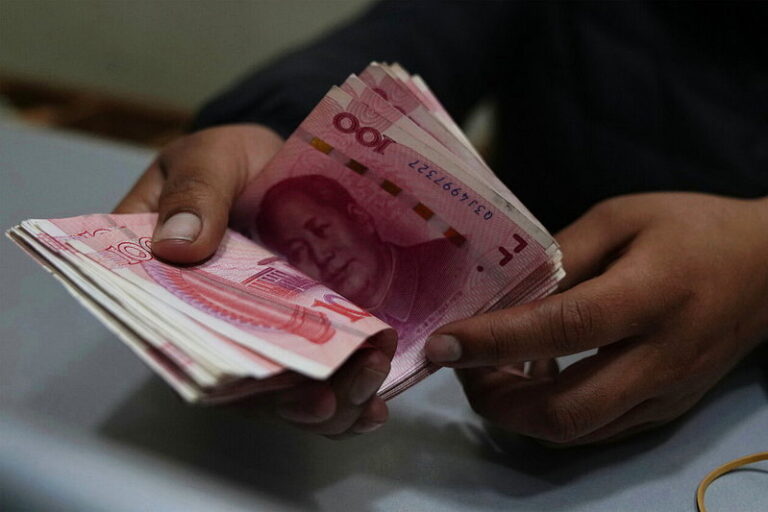
Market analysis suggests that carbon rights currently cost around US$12 to US$13 per tonne. As airlines delay entry in a wait-and-see manner, prices are bound to rise further.
Management consulting firm Roland Berger estimates that if the price of each unit of carbon rights falls between US$20 and US$50, the cost for the aviation industry to obtain compliant carbon rights will increase to US$3.6 billion to US$9 billion, equivalent to about 5% to 12% of the aviation industry’s projected profits in 2026, which will inevitably put huge pressure on the aviation industry’s operations and rents.
Summary FAQ
-
The first phase of CORSIA is launched from 2024 to 2026, requiring airlines to maintain total annual carbon emissions at 85% of 2019 emissions. If standards are exceeded, operators must offset them by purchasing carbon rights or using sustainable aviation fuels.
-
Because CORSIA has extremely strict standards for the recognition of carbon rights, they must be approved by ICAO, and guaranteed by the government of the source country and complete related adjustments. It is estimated that current eligible supply will only meet 25% of demand, and only 11 countries are available to the aviation industry.
-
Currently it is around US$12 to US$13 per tonne, but if airlines enter the market intensively, the price may rise again. If it increases to US$20 to US$50, compliance costs could rise to US$3.6 billion to US$9 billion, amounting to about 5% to 12% of forecast profits in 2026, and reducing rents and operating space.