
AI summary
Summary of article:
VLCC and Aframax freight rates fell sharply, leading to an uptick in long-haul export transactions of US crude. As geopolitical risks calmed, oil prices continued to fall from highs to around US$90 per barrel.
Despite being internationalOil Shipping rates are still at historically high levels, but costs have seen further declines, helping some long-haul crude oil transportation transactions become more attractive.
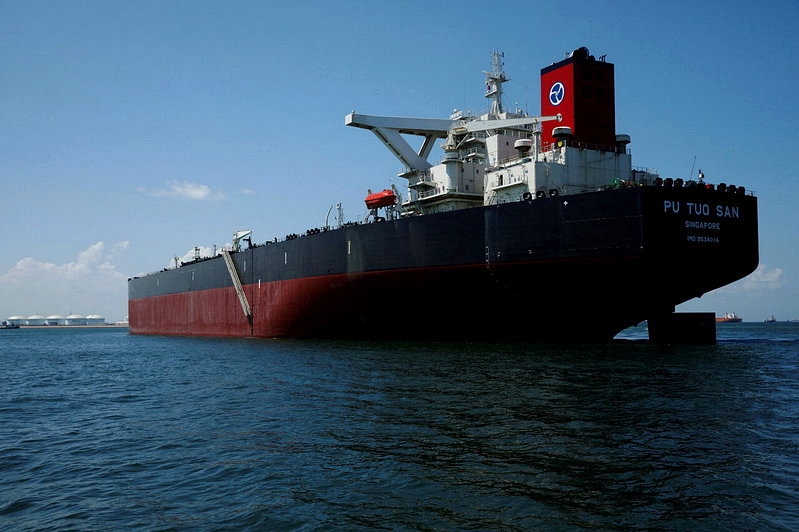
The current cost of chartering a very large crude carrier (VLCC) to transport 2 million barrels of crude oil from the US Gulf of Mexico to Asia is about US$45 million, down sharply from US$79.6 million a month ago, according to data released by the Baltic Exchange on Monday.
shipping fee isoil price An important part of the price of crude oil, it is also a major factor that previously pushed the price of crude oil close to US$100 per barrel. The recent decline in freight rates, which has led to renewed diplomatic efforts by all sides to endiran Signals of war have helped push oil prices to around $90 a barrel.
Matthews, consultant and head of research at shipbroker EA Gibson, said: “The increase in freight rates is not driven entirely by quantitative factors. Risk premiums and market sentiment also play an important role.”
He said market sentiment had softened after the US midterm elections last week and tough claims by the US about attacking Iran again had also cooled down.
Previous surges in transportation costs have made some long-distance crude oil trade unattractive, as freight’s share of the total cost of a barrel of crude oil is so large that it is even uneconomical. Oil traders in West Africa said falling freight rates had boosted demand for local crude. Now, falling freight rates are also beginning to boost export demand for US crude.
Freight rates for small Aframax tankers shipping from the US Gulf Coast to the Amsterdam-Rotterdam-Antwerp (ARA) hub have fallen for ten consecutive trading days and are now at their lowest level in two months.
Sparta Commodities, a commodity research institute, pointed out in a report on the 9th that as of the end of last week, falling freight rates had made West Texas Intermediate crude oil (WTI), which arrived in northwest Europe in late December, more competitive than most major oil types in the North Sea Brent crude oil pricing benchmark.
At the same time, Shelton, an energy expert and TP ICAP Group, said that the charter volume of Aframax tanker cargo in November and December also reached the highest level in almost a month, indicating that crude oil shipments from the US Gulf Coast have begun to pick up after a sluggish performance earlier this month.
Additionally, West Texas Intermediate crude oil prices at Magellan East Houston (MEH), a key trading hub connected to Gulf Coast export terminals, also strengthened.
However, experts say that for crude oil delivered in January next year, the price competitiveness of WTI and US Mars sour crude oil in the Far East market is still insufficient, making it difficult to compete with Middle Eastern crude oil.
Saudi Arabia has increased its crude oil exports as it is increasingly able to run tankers through the Strait of Hormuz and load crude on its Red Sea coast.
Summary FAQ
-
VLCC and Aframax freight rates have declined significantly from high-end prices, reducing the overall cost of long-haul transportation, crude oil cargoes from the United States and West Africa have become attractive again, and some transactions that were originally halted due to excessive costs have resumed.
-
Following a decline in freight rates, WTI arriving in Northwest Europe became more competitive in terms of price in late December, and Aframax charter transactions also increased again in November and December, suggesting that export demand from the US Gulf Coast is improving.
-
At one time, freight costs were a key factor in pushing crude oil closer to US$100 per barrel. Now, falling costs, diplomatic efforts to end the Iran war and easing market tensions have helped oil prices return to around US$90 a barrel.