
AI summary
Summary of article:
The latest survey shows that Philadelphia’s poverty rate is 20.4%, the highest among major cities in the United States. Although it has fallen from its peak, it has remained almost stable over the past three years. The mayor acknowledged that the cost of living is very high, and experts are also concerned that subsidies could be reduced.
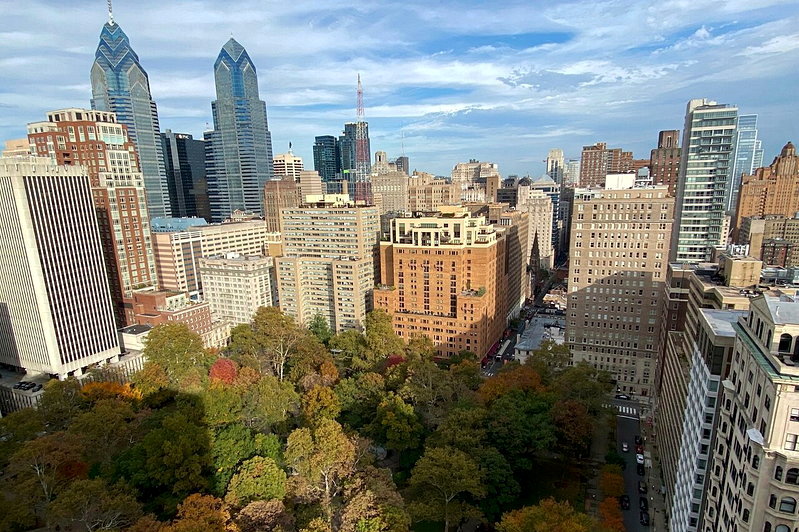
philadelphia It is again “on the top” of the list, but unfortunately it is the poorest city in the country. Americacensus The Bureau’s American Community Survey recently released that 20.4% of Philadelphia residents live below the poverty line.
After reaching a peak of 28.4% in 2011, Philadelphia’s poverty rate continues to decline, but as of 2023 it is set to hover around 20%, meaning one in five people will live below the poverty line.
Statistics show that the poverty rate is second only to Philadelphia and New Yorkhouston The poverty rate in both cities is 17.7%.
The Census Bureau measures poverty based on whether an individual or family’s income is below a certain threshold. The poverty line for a family of four in Philadelphia in 2025 is an annual income of $32,750. Last year, the median income was $67,400.
After the data was released, Philadelphia Mayor Cheryl L. Parker clearly stated that the poverty rate of 20.4% is too high and cannot be accepted as mayor. However, the cost of living is a very real problem. Basic needs like food, fuel and clothing are very expensive.
Analysts say Philadelphia’s poverty rate has remained essentially unchanged, which is more worrying than typical annual figures and reflects the continued lack of improvement in the economy.
Katie Martin, program director of research and policy at the Pew Charitable Trusts in Philadelphia, said the difference in poverty rates is not significant. The important thing is that a long-term trend has been observed. The poverty rate in Philadelphia has remained basically stable over the past three years, meaning the lives of citizens cannot be improving.
Emily Dowdall, president of the Reinvestment Fund, a nonprofit financial institution in Philadelphia, also said the published poverty rate is only the tip of the iceberg that reflects the financial burden on residents. Even more worrying is the possibility that the federal government will cut funding for programs like food stamps, Medicaid, and housing assistance in the future. He said the subsidies are “vital for low-income families.”
Total also said that helping people escape poverty is an important policy goal. If people cannot get even basic food and shelter, there will be no upward mobility.
Summary FAQ
-
The U.S. Census Bureau’s latest American Community Survey shows that 20.4% of Philadelphia residents live below the poverty line, ranking first among major cities in the country. Therefore, it is called the poorest big city in the United States.
-
Philadelphia’s poverty rate reached 28.4% in 2011. Although it has declined gradually since then, it remains at around 20% as of 2023, reflecting limited improvement in the overall economy and little significant progress in the living conditions of residents.
-
Mayor Parker believes that the poverty rate of 20.4% is unacceptably high and points out that necessities such as food, fuel and clothing are too expensive; Experts are concerned that if the federal government cuts food stamps, Medicaid and housing assistance, it will become more difficult for low-income families to stay afloat.