
AI summary
Summary of article:
Paid parental leave is becoming more and more popular among fathers in California. Last year, for the first time, men made more than half of the applications, reflecting the real consequences of changing gender roles and improved benefits.
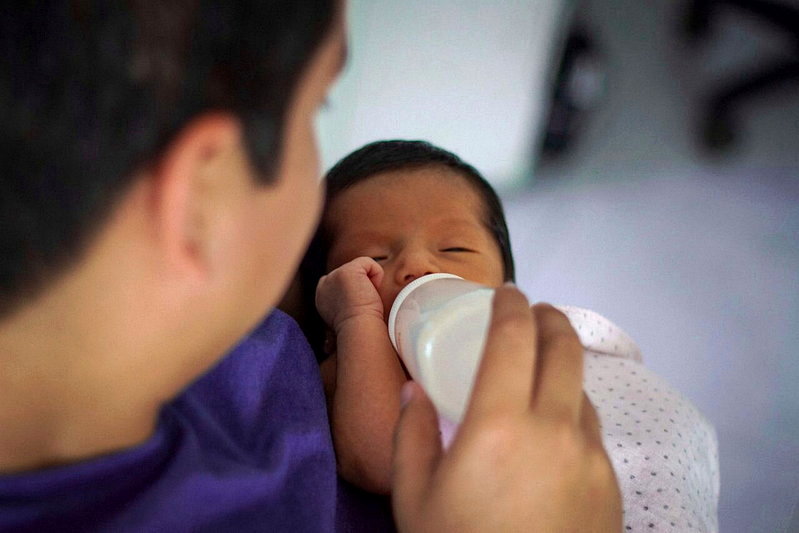
I took paid parental leave after my son was born.California Resident Carlo Campana said that during this period of sleep deprivation, it is very important for him and his family to rest, hold their children, change their diapers and not worry about loss of work or income.
The Kaiser Family Foundation said Campana is one of a growing number of fathers who are applying for paid parental leave to spend time with their newborns, a phenomenon that reflects a cultural shift in which more fathers are willing to take on child-care responsibilities.
Data shows that in California, men currently make up nearly half of the total number of workers applying for parental leave. Last year, the number of applicants exceeded women for the first time, at 51%, a record high in California history. This is a sharp contrast from when California started the program in 2004, when only 18 percent of applicants were men.
At the same time,federal government Americans want to have more children, but many families report that financial burdens are a major barrier to child-rearing. The Kaiser Family Foundation says federal law does not provide for paid parental leave, but California follows Washington, D.C. It is one of 14 states in the United States that have passed legislation providing for paid parental leave.
“We have a very different interpretation of gender roles, paternity leave and fatherhood than we did 20 years ago,” said Molly Weston Williamson, policy director of Paid Leave for All.
By law, California parents are entitled to eight weeks of paid parental leave after a child’s birth or adoption, and mothers are entitled to an additional six to eight weeks of paid maternity leave after giving birth.
Research shows that the benefits of paternity leave go beyond giving fathers more time to connect with their newborns and have a positive impact on the entire family, including improving the health of both partners. Additionally, paid parental leave reduces postpartum depression and infant mortality.
U.S. states provide paid family leave and medical leave funds through various combinations of employer and employee contributions, but California is one of six states where the paid family leave fund is funded entirely by employee payroll contributions.
Williamson said that in addition to changes in gender norms, other factors have contributed to the increase in men applying for parental leave, including increased awareness of the program and recent changes to benefits.
In 2025, California increased the amount of income compensation workers can receive when taking parental leave. Now, parental leave benefits in California can be up to 90% of an employee’s regular pay.
“This makes parental leave a viable option for more families and we’re seeing parents respond positively to this change,” Williamson said.
However, Williamson also said that there is a lot of new data about fathers that they don’t yet understand.
“Right now we can only look at these data from a specific angle,” Williamson said. “Although these data are useful and valuable, they reveal only part of the truth. For example, are more men applying for benefits because there are more working fathers than before? Or is it because fewer women are applying for parental leave? We need other types of information to get a better picture.”
A recent survey from the Pew Research Center found that 84% of stay-at-home parents who are not self-employed believe that paid parental, family or medical leave would be “very” or “extremely” helpful to them, but only half actually receive these paid leaves.