
AI summary
Summary of article:
Trump said that if progress was made in Iranian nuclear talks, it would be unlikely to carry out airstrikes, allowing oil prices to continue falling; However, there is still no breakthrough in the Rubio index talks, and there are reports of attacks on tankers in the Strait of Hormuz, leaving the market risks unresolved.
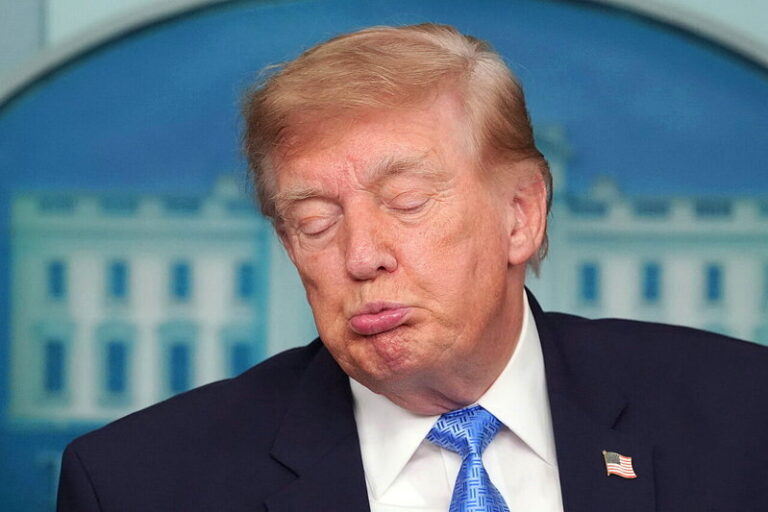
International oil prices continued last week’s decline, with Brent crude futures falling to $97 a barrel. President of the United Statestrump meaning, ifiran Nuclear program and reopeningstrait of hormuz Progress has been made in negotiations and it is highly unlikely that the United States will launch another air strike on Iran. However, US Secretary of State Rubio said that the conditions proposed by Iran are unacceptable and the talks are still far from a breakthrough. At the same time, there were reports of attacks on oil tankers in the Strait of Hormuz.
At 7am Singapore time, Brent crude futures for January fell 0.9% to US$97.40 a barrel, while West Texas Intermediate crude futures for December fell 0.5% to US$90.42. Brandt fell more than 16% last week, its biggest weekly decline since April 2020. Following the Democratic Party’s victory in the US midterm elections, traders believed the likelihood of further escalation of the war had diminished, and oil prices also fell from six-month highs in late October.
In a telephone interview with CNN on Sunday, Trump said using force again depended on whether a stronger agreement could be signed and that he would still order strikes if necessary. He has acknowledged that the war in Iran caused oil and gasoline prices to rise and was a reason for the Republican Party’s defeat in the midterm elections.
Before leaving for Paris to attend a meeting of the Group of Seven (G7) foreign ministers, Rubio said that although several countries are still mediating, progress in talks has been limited and some of Iran’s demands are unrealistic. Iran had previously demanded that the United States lift its naval blockade of Persian Gulf ports and lift sanctions before peace talks could begin. Washington is demanding that Iran reopen the Strait of Hormuz and make concessions on its nuclear program.
Qatar, the main mediator, said Iran was studying options related to nuclear activities. Trump had recently also talked to the head of state of Qatar over phone and discussed ways to reduce tension. However, Iranian Foreign Minister Arakchi said on Sunday that mediators had not taken any action in recent days following the US midterm elections.
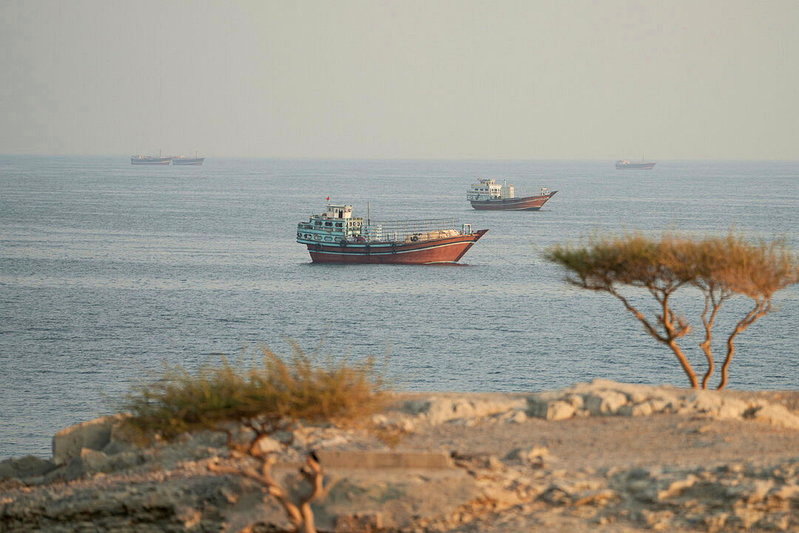
The UK Maritime Trade Action Office said it had received a report that an oil tanker had collided with an unidentified object while leaving the Strait of Hormuz at the weekend. The Iran-backed Yemeni rebel youth movement (Houthi, or Houthis) also attacked Saudi Aramco’s offices in Riyadh, and Saudi Arabia later destroyed two missile launchers.
Despite repeated attacks on ships passing through the Strait of Hormuz, crude oil exports from the Persian Gulf have returned to near pre-war levels. Organization of the Petroleum Exporting Countries (OPEC) production also reached 88% of the February output of the same group of members, according to a Bloomberg survey. On the other hand, Ukraine has attacked the sixth Russian oil refinery in a week, stepping up its offensive against Russian energy facilities.
Summary FAQ
-
As the market believes the likelihood of an extension of the conflict with Iran has diminished, and Trump downplayed the possibility of further airstrikes, Brent extended last week’s more than 16% decline to $97 a barrel, reflecting a decline in the georisk premium.
-
Trump said that if progress is made in negotiations over Iran’s nuclear program and the reopening of the Strait of Hormuz, it is very unlikely that the United States would conduct another airstrike; But he also said he would still order an attack if necessary and kept his stance reserved.
-
Another report of an attack on an oil tanker in the Strait of Hormuz shows that shipping risks are still high. At the same time, Persian Gulf exports and OPEC production surged and Ukraine continued to attack Russian refineries, which jointly affected the oil market trend.