
AI summary
Summary of article:
The Democratic Party’s electoral victory may not ease the pressure on the middle class in blue states. High tax burdens, housing prices, child care and medical costs, combined with welfare ceiling effects, have deprived many families of their low-income eligibility.
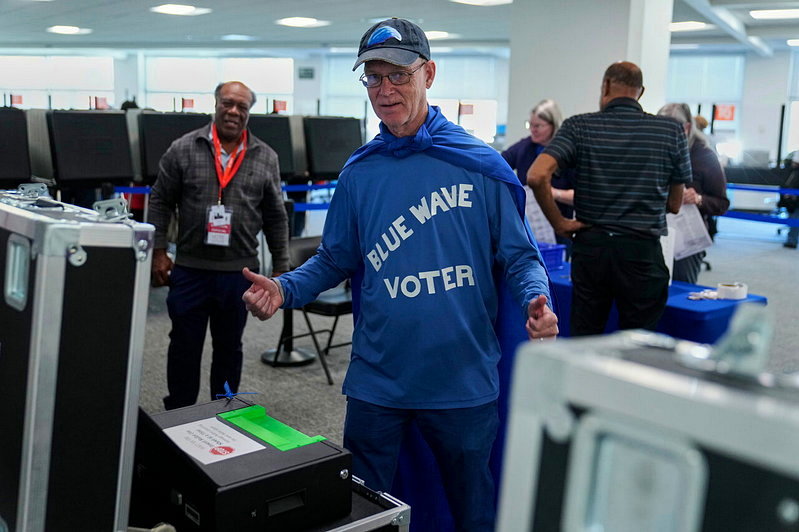
US midterm electionsdemocratic party After a landslide victory, some voters in blue states have ambivalent feelings, and even half-jokingly lamented: “I wish I could be poor!” This is not envy of poverty, but the irony of the high tax burden and social welfare system. From Illinois, New Jersey, Connecticut to New York, California andMassachusetts Some middle-class families face similar dilemmas: their income is not low enough to receive government subsidies; Their income is not enough to pay for housing, medical care, child care, and various taxes.
If the Democratic Party wins the election, it will be difficult to relieve the economic pressure on the middle class.
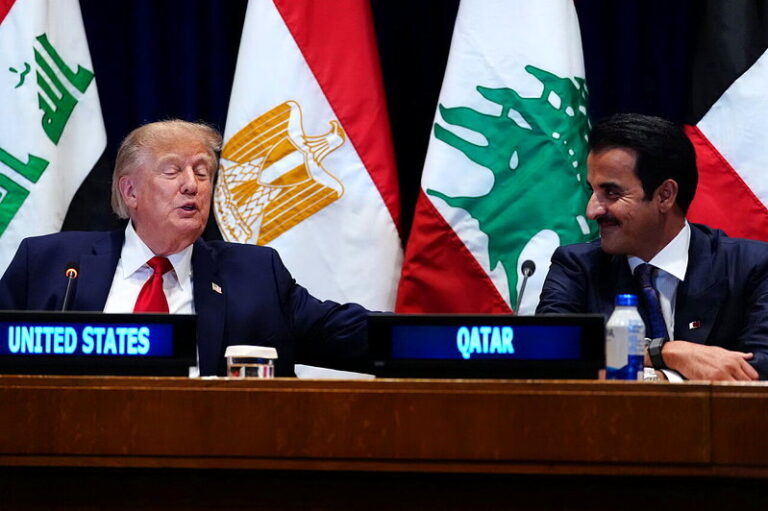
Democrat victories in the House and Senate are undoubtedly cause for celebration for voters dissatisfied with Trump’s immigration policies and war with Iran. However, political victory cannot resolve family economic pressures. Especially in states where the Democratic Party has been in power for a long time, the middle class is more concerned about the government increasing public expenditure, the burden of which will ultimately be borne by taxpayers.
Taking Illinois as an example, the Democratic Party has strengthened its advantages in gubernatorial and state legislative elections. Illinois places great importance on social welfare, and has resources ranging from medical subsidies for low-income families, to food stamps, to care for people with disabilities. These measures are necessary, but public spending also makes taxpayers extra sensitive to future tax increases.
Six key blue states have a heavy tax burden, leaving the middle class breathless
According to 2026 data from the Tax Foundation, Illinois’ effective property tax rate is 1.88%, ranking second in the United States; Chicago’s statewide sales tax rate for general merchandise is 10.25%. Faced with higher gas prices, Illinois has not suspended its gas tax like some states, but continues to charge a state gas tax of 48.3 cents per gallon. This burden is especially heavy on families who commute, pick up and drop off their children, and make a living by driving.
New Jersey’s effective property tax rate is also 1.88%, ranking first in the United States. Local housing prices are high, and many families may pay thousands of yuan in medical, child care and transportation expenses in addition to real estate taxes each year. Even if a dual earner’s income is not low, they may not be able to accumulate savings.
Connecticut’s effective property tax rate is 1.54%, ranking third in the United States. Some suburban families face high housing and child care costs, and child care costs can eat up a significant portion of their wages.
New York City residents can pay federal, state, and city income taxes at the same time. With high rents, their income may seem bright, but their purchasing power may not match it. Although the effective property tax rate in California is low, high housing prices, high income taxes and the cost of living make it difficult for many families to purchase a home, even if their annual income reaches six figures. Boston, Massachusetts, and surrounding areas also face expensive housing, child care, and medical care.
The tax systems in these states differ, but they reflect a common phenomenon: middle-class families with higher incomes cannot have comfortable lives.
Earn more but bear the loss. Welfare limits cause conflict
What is more noteworthy is that there is a paradoxical phenomenon in many states in the United States: as income increases, the burden of living may actually increase. When a family’s income exceeds subsidy limits, it may lose food, medical or child care subsidies.
Due to the sharp increase in health insurance premiums in the New Year, a Chinese online ride-hailing driver is considering reducing the number of driving hours and actively reducing his income in order to obtain more health insurance subsidies and reduce family expenses. The system that originally encouraged people to work hard has forced people to wonder whether earning less would be more cost-effective, and even “voluntarily become low-income families.”
Of course, low-income families still face high economic risks. “I wish I could be poor” is just an irony at the threshold of the system. This does not mean that low-income people are actually better off.
The question is not whether the government should take care of the disadvantaged, but rather that when the tax burden and cost of living remain high, many middle-class families have to bear higher medical, housing and child care costs because their income exceeds subsidy limits. When working more and earning more money could result in the loss of subsidies, it is worth reconsidering whether such a system is appropriate.