
AI summary
Summary of article:
China’s yttrium exports to Japan fell 98% in the first nine months of this year. Japanese companies are worried that insufficient inventory will impact supply chains such as semiconductors, while disputes between China and Japan over Taiwan-related issues and export controls have still not subsided.
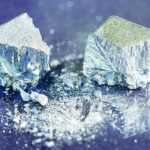
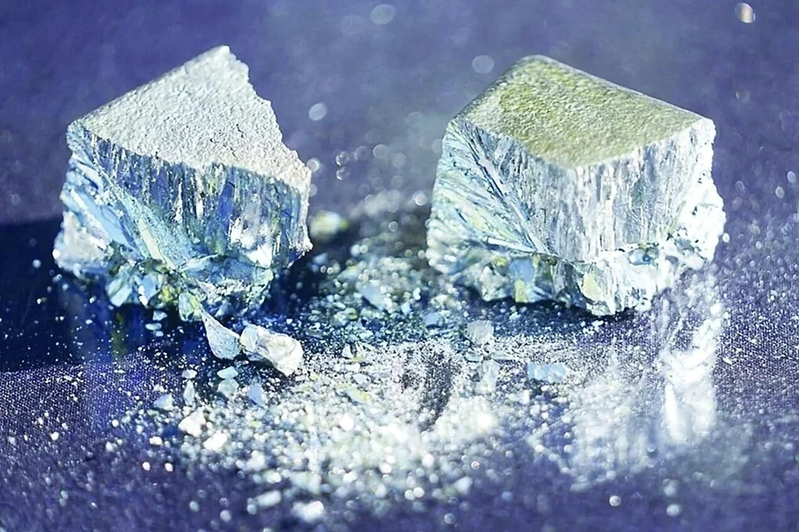
Japan Kyodo News reported in China on the 4thrare earth Exports of “yttrium” to Japan have declined significantly. Yttrium is an essential raw material for semiconductor manufacturing equipment and other devices. Exports to Japan of the main variety, yttrium oxide, saw a 98% year-on-year decline from January to September this year.
China objected to Japanese Prime Minister Takachi Sane’s Taiwan-related speech and initiated export controls. Takachi Sanae’s relevant speech will turn one year old on the 7th, but relations between the two sides show no signs of improving, and Japan is worried about the impact of declining stocks.supply chain The calls are getting louder and louder.
Yttrium is one of the seven rare earths (samarium, gallium, dynonium, dysprosium, chromium, scandium and yttrium) that China controls for export. It is widely used in aircraft engines, medical equipment, etc. China has the majority of the global market share in the production and refining of yttrium. After Sanae Takaichi gave a Taiwan-related speech in November last year, China has strengthened export controls on dual-use goods, including rare earths, to Japan since January this year; China’s global exports of yttrium oxide fell only 26% to 934 tons, and the decline in exports to Japan was particularly prominent, while exports to Germany and South Korea increased.
Data from China’s General Administration of Customs show that yttrium exports to Japan from January to September were only 18 tons, compared with 887 tons in the same period last year, which is a significant decrease. A large Japanese electronic components company expressed concern that “it is currently relying on inventory to maintain production, but the difficulty of purchasing raw materials has increased, and the prospects are worrying.”
China’s exports to the United States have increased by nearly 2 times, but this is mainly due to the base effect after the US-China trade friction, which led to a sharp decline in exports to the United States in 2025, and in fact it has not returned to the previous level. Since the Japanese and American supply chains are closely related, the Trump administration has asked China to increase exports not only to the United States but also to Japan.
The British “Financial Times” reported on October 20 that Japan’s yttrium stocks “will be exhausted within a few months.” Japanese Chief Cabinet Secretary Minoru Kihara refuted this statement at a press conference on the 22nd, saying, “There is no fact that our country is going to run out of yttrium.” The Chinese Foreign Ministry said the purpose of imposing the controls was to “prevent Japan’s remilitarization”, stressing that China’s stance on maintaining the stability of the global supply chain has not changed.
Summary FAQ
-
Chinese customs data shows that from January to September this year, yttrium exports to Japan were only 18 tons, down 98% from 887 tons in the same period last year. Among them, the main variety yttrium oxide is most obviously affected, indicating that Japan’s purchasing sources have been significantly reduced.
-
Yttrium is widely used in key sectors such as semiconductor manufacturing equipment, aerospace engines and medical equipment. Japan’s large electronic parts companies say they are currently relying on inventory to maintain production, but raw materials are becoming harder to procure, and they are concerned about the impact on the supply chain.
-
The report pointed out that since January this year, China has tightened export controls on Japan due to opposition to Takaichi Sane’s Taiwan-related comments, aimed at limiting Japan’s re-militarization; In comparison, global exports of yttrium oxide decreased by only 26%, and even increased to Germany and South Korea.