
AI summary
Summary of article:
Huida requires data center partners to reduce the proportion of Chinese business and stipulates that non-Chinese customers should account for more than half of future contracts, thereby blocking channels for Chinese companies to obtain advanced US chips through overseas clouds.
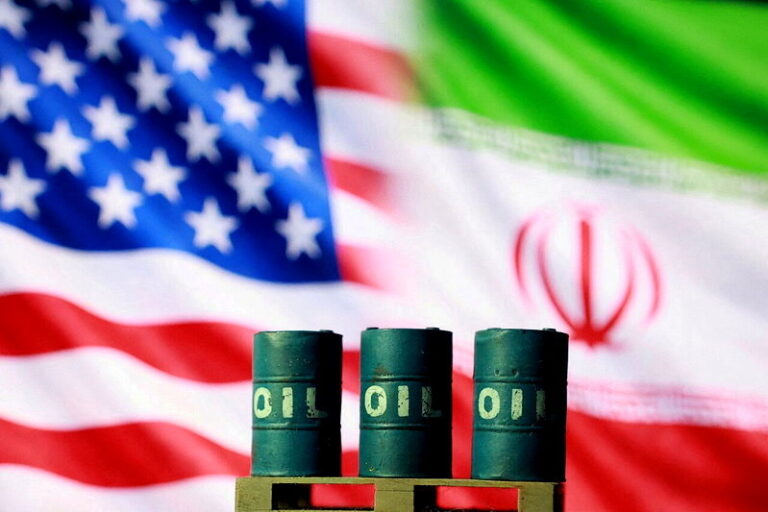
Huida (NVIDIA ) is asking data center partners to reduce their business share with Chinese customers. At a time when competition between the two major AI powers, the United States and China, is becoming increasingly fierce, the move further limits China’s ability to overtake its American competitors.
HUIDA issued new rules orally! Foreign cloud partners are required to account for more than half of their “non-mainland customers”
Huida has told cloud computing service provider customers in recent months that it must now ensure that at least 51% of its service sales are to non-Chinese companies, the Financial Times reported, citing five people familiar with the matter. Previously, HUIDA had not imposed such restrictions.
People familiar with the matter said the instructions were conveyed verbally rather than clearly set out in a written document and were implemented by HUDA’s sales staff and regional teams.
The action means Chinese technology companies’ AI development ambitions now face new threats, as Washington further restricts the ability of Chinese companies to obtain advanced US chips through overseas cloud computing transactions. Previously, many mainland companies have relied on hiring overseas cloud computing services to perform high-order computing tasks, including AI model training.
U.S.-China AI war extends to cloud realm, exploiting flaws in foreign advanced chips
Two people familiar with the matter said the new compliance requirements apply to HUDA customers around the world and are not limited to data centers in Asia. However, the rules only apply to future contracts and do not affect existing lease agreements.
Huida said: “Data centers and cloud computing services built with American chips are the foundation for American model developers and application companies to compete globally. The United States has a long-term policy to encourage all cloud companies to adopt American infrastructure and win business around the world as much as possible. The United States has long supported the expansion of American infrastructure around the world, bringing prosperity, influence, and job opportunities back to the United States.”
The United States is attempting to tighten controls across the board. On the one hand, it is cracking down on middlemen who have helped China create a booming black market for chips. On the other hand, it is also restricting China Gas from using advanced chips located overseas through foreign lease agreements.
Cloud operators complain: it’s hard to find non-mainland customers
One Singapore-based company said cloud service providers are struggling to comply with the new rules because “it is not easy to find enough non-Chinese customers in markets outside the United States.” “If it is strictly enforced, it will definitely hurt business.”
Chinese technology companies have faced a severe shortage of advanced computing power due to Huida’s tight controls.
An entire cabinet of Huida’s B300 chips sells for about US$600,000 on the international market, a person with direct knowledge of the transaction said. However, due to a supply shortage in China last month, the transaction price was up to 18.5 million yuan (about 2.8 million US dollars). The B300 is one of Huida’s most advanced products and is subject to US export controls and is banned from being sold in China. This chip is a product used by top American AI companies such as Anthropic and OpenAI.
Earlier this year, Huida established a “white list” of companies that have passed strict compliance reviews to prevent chips from flowing into China. This has reduced the number of Asian customers purchasing Huida AI chips to more than half.
Data centers may be forced to scale back operations if they cannot find enough new customers.