
AI summary
Summary of article:
If the mobile phone number SIM card is swapped, hackers can intercept the verification code and attack banks and important accounts; AT&T, T-Mobile, and Verizon all offer free protection and recommend using authenticator apps to reduce risks.
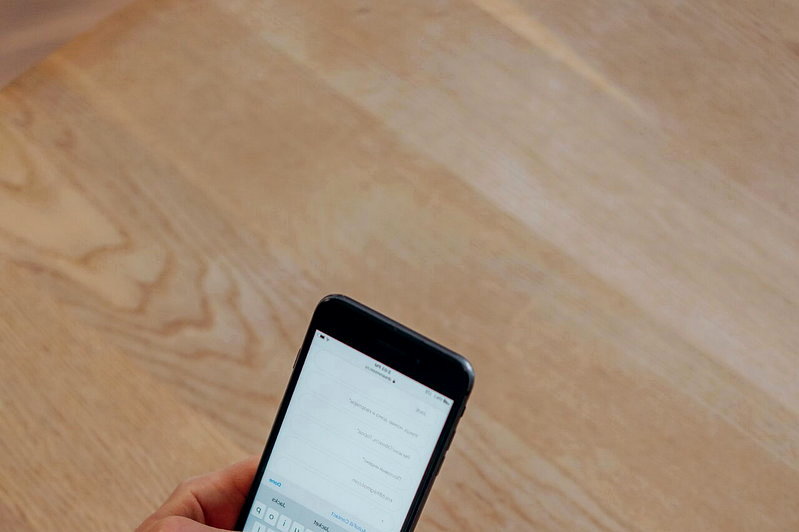
Mobile phone numbers are not just a means of contact;hacker Hack into bank accounts, emails and other important services. Since many companies send two-factor authentication codes via text messages, once the mobile phone number is hijacked by hackers, the verification code is intercepted and the account is hacked.
According to KTLA, this type of attack is called SIM card swapping, which is done by hackers tricking telecom operators into transferring a victim’s mobile phone number to a SIM card or eSIM under their control, allowing the victim to receive calls and text messages originally sent to them, including identity verification codes for banks or other services. three major telecommunication companiesAT&T ,T Mobile And Verizon offers free security protection functions that users can set up themselves through the mobile application.
AT&T’s “Wireless Account Lock” feature allows you to secure all phone lines under your account with just one switch. Users can open the AT&T app on the phone linked to the account, click the icon, slide down to find “Wireless Account Lock,” and then slide the switch to enable it. Whenever the feature is turned on or off, AT&T will send an email to the primary account holder and a text message notification to each enabled phone number.
T-Mobile offers two security features. The first is SIM card security, which can help prevent others from transferring mobile phone numbers to other SIM cards or eSIM. After the user opens the T-Mobile app, enter Account, Settings, Security and then find the SIM protection option to enable it for all phone lines under the account at once.
The second “number out protection” (port out protection) mainly prevents others from transferring mobile phone numbers to other telecommunications operators. Users can sign in to the app’s account, manage additional services (Manage Add-ons), and then scroll down to find “Individual Number Services” (Line Level Services). This protection must be set up on a per phone number basis and cannot protect all lines at once.
Verizon also offers two security features, including SIM card protection and number lock. The first helps prevent unauthorized changes to SIM cards and devices, while the second prevents mobile phone numbers from being transferred to other telecom operators. Users can open the My Verizon app, click “Me,” and then scroll down to find “Profile & Settings” to turn on these two functions, respectively.
In addition, operators such as US Mobile, Mint Mobile, Visible, Cricket, Google Fi, and Spectrum also have relevant security measures in place. However, the public should note that if they change their mobile phone or change telecommunications provider in the future, they will need to temporarily turn off these protective functions to complete the number transfer.
In addition to account security settings, the report also recommends that people avoid using SMS as a two-factor authentication method if possible and use an authenticator app instead. Such applications can generate security verification codes independently of mobile phone numbers, reducing the risk of other accounts being compromised if the mobile phone number is hijacked. Free Proton Authenticator, suitable for Apple and Android phones. The report reminds the public to take a few minutes to check their mobile applications to confirm whether the security protection function is turned on to avoid unauthorized transfer of mobile phone numbers, which may pose a security risk to bank accounts and other personal data.
Summary FAQ
-
SIM card swapping is when hackers trick telecom operators and transfer the victim’s number to a SIM card or eSIM under their control, and then receive phone and SMS verification codes, which can allow them to log in directly to banks, email and other important services.
-
AT&T offers wireless account lock; T-Mobile has SIM protection and port out protection; Verizon has SIM card security and number lock, which are used to prevent SIM changes and number portability, respectively.
-
The report suggests that you should try not to use text messages for two-factor verification and instead use the Authenticator app to generate verification codes as it does not rely on mobile phone numbers. Even if the number is hijacked, the chances of other accounts being compromised are low.